

7 min read · Last updated September 3, 2026
- The Farmers Market Nutrition Program (FMNP) adds $25 to $65 in seasonal farmers market checks per WIC participant, on top of the regular WIC food package.
- The benefit is not loaded automatically in most states. Families must request or pick up FMNP checks at a WIC appointment, usually once a year.
- FMNP checks expire on a hard date, typically November 30, and unused value cannot roll over to the next season.
- Not every state runs FMNP. Families should ask their WIC office directly instead of assuming the program does not exist locally.
In this article
- What the Farmers Market Nutrition Program covers
- Who qualifies for FMNP vouchers
- How to request your FMNP checks
- FMNP benefit amounts by state
- What families get wrong or miss
- What to do if you missed the window or were denied
- Frequently asked questions
Grace Lin enrolled her family in the Special Supplemental Nutrition Program for Women, Infants, and Children (WIC) for the first time this spring, with three kids ages 1, 3, and 6, and almost missed the $65 farmers market benefit hiding inside her new account. Her local WIC office in Connecticut required her to activate the benefit and pick up a card herself, and nobody explained that step during her first appointment.
What the Farmers Market Nutrition Program covers
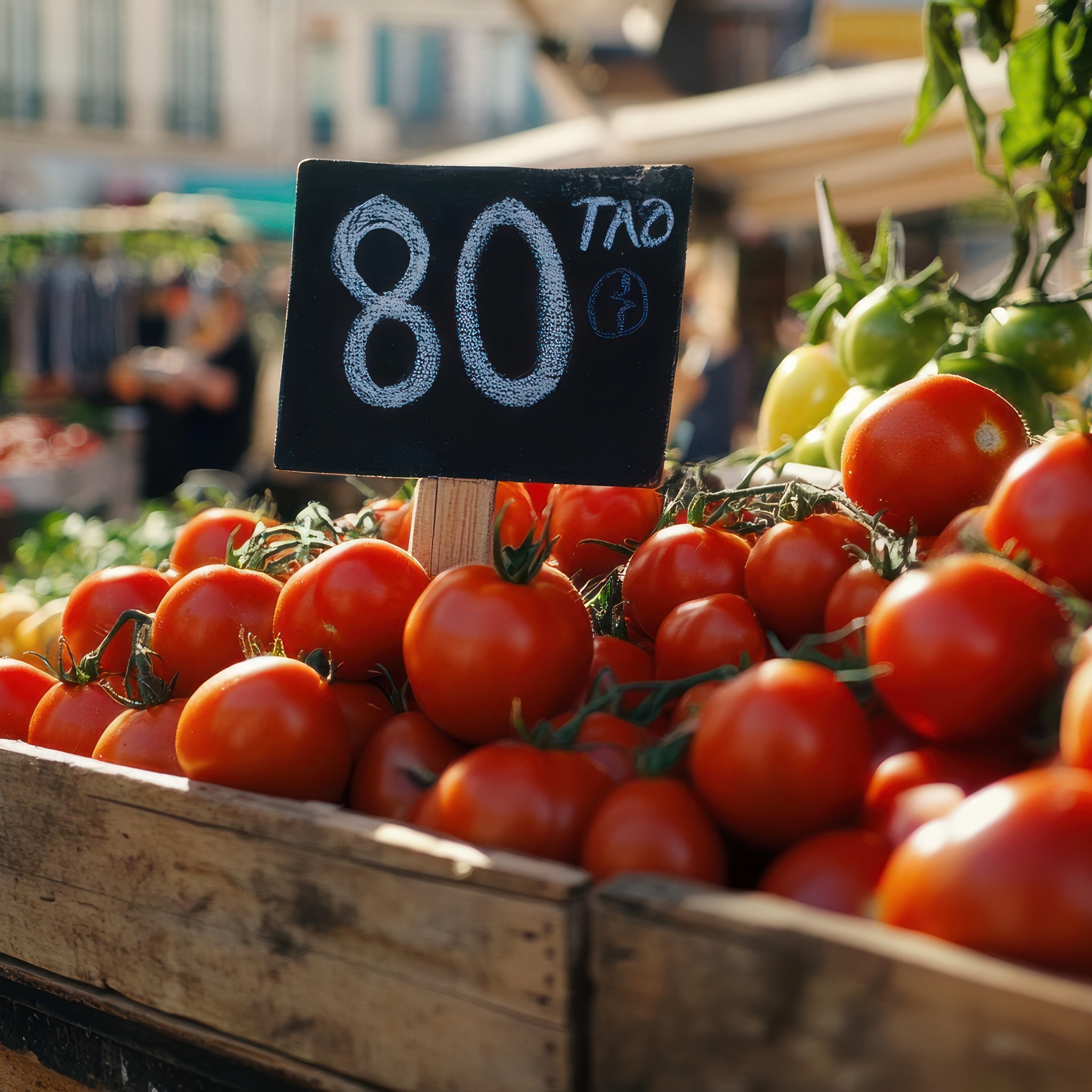
The Farmers Market Nutrition Program (FMNP) is a seasonal add-on to regular WIC food benefits, run by the U.S. Department of Agriculture and administered state by state through each state’s WIC agency and department of agriculture. Families get paper checks, coupons, or an electronic card loaded with a set dollar amount, redeemable only for fresh, unprocessed fruits, vegetables, and cut herbs, and in some states honey or eggs. The checks work only at farmers markets and roadside stands approved by the state, not at grocery stores or supermarkets. A family cannot use FMNP checks to buy bread, dairy, packaged snacks, or anything already covered by the standard WIC food package.
Federal funds cover 100 percent of FMNP’s food costs and 70 percent of its administrative costs. Each state covers the remaining 30 percent of administrative costs, which is a real reason funding and participation differ so much by state. Congress created FMNP in 1992 with two goals: get more fresh produce into WIC households and steer more grocery dollars toward local farmers. That dual purpose is why the checks are restricted to farm-direct vendors instead of working anywhere WIC benefits normally do.
Who qualifies for FMNP vouchers
Anyone already certified for WIC generally qualifies for FMNP. Federal rules define three eligible categories: pregnant, postpartum, and breastfeeding women, infants over 4 months old, and children ages 1 to 5, as outlined in our guide to WIC benefits after age one. Each state agency then chooses which of those categories it actually serves, so a family should confirm with their own WIC office whether an infant under 1 qualifies locally, even though the federal rule allows it. WIC income eligibility runs up to 185 percent of the federal poverty guidelines. In 2026, that works out to roughly $50,542 a year for a family of three and about $61,050 a year for a family of four. A family already enrolled in WIC does not need to reapply for income eligibility to get FMNP. The extra step is requesting the seasonal checks, not proving income again.
A household that is over the regular WIC income cutoff will not qualify for FMNP either, since the two eligibility rules are tied together. A caregiver who was denied WIC in the past should not assume that decision is permanent. Household size and income can change year to year and reopen eligibility for both the regular food package and the farmers market checks.
How to request your FMNP checks
Most states issue FMNP checks once a year, tied to the local farmers market season. A parent has to ask a WIC counselor about FMNP at a certification or follow-up appointment, since staff do not always bring it up unprompted. Some states, including Arizona, require a separate online or mailed application with its own submission window, often opening in March and closing in September. Other states, including Connecticut for 2026, now issue checks automatically to an app or card for families already enrolled, though new participants still need to activate the account or pick up a card at the WIC office. Families should call ahead and ask whether their state’s WIC office issues checks automatically or requires a request.
Three steps cover most states. First, ask directly at the next WIC appointment whether the state runs FMNP this year and how it is issued. Second, if a separate application exists, submit it as early as the window allows, since some states distribute on a first-come, first-served basis until funding runs out. Third, confirm which local farmers markets and stands actually accept the checks before the season starts, since not every market in a state is an approved FMNP vendor.
FMNP benefit amounts by state
| State | 2026 benefit amount | Season / redemption window | Must actively request? |
|---|---|---|---|
| Connecticut | $65 per participant | June 1 to November 30, 2026 | No for returning participants, checks load automatically to app or card |
| Arizona | $50 per household (ten $5 coupons) | Apply March 1 to September 30, 2026 | Yes, apply online or by mail each year |
| Maryland | $30 per participant | Issued starting in June, usable through November 30, 2026 | Yes, opt in at a WIC clinic appointment |
| Wisconsin | $25 per participant (five $5 checks) | Issued each summer, usable through October 31, 2026 | Yes, picked up through the local WIC office |
| Pennsylvania | $30 per participant (three $10 checks) | Usable June 1 to November 30, 2026, deposit by December 14, 2026 | No in counties where checks mail automatically starting in May |
What families get wrong or miss
The single biggest mistake is treating FMNP like the rest of WIC, where benefits reload monthly without any extra step. Most states still require a family to request or collect the checks once, and skipping that appointment means the benefit sits unused. Families also assume their state does not run FMNP at all, when the real issue is that nobody at the WIC office mentioned it. Not every state funds a Farmers Market Nutrition Program each year, so it is worth asking directly rather than guessing.
Families also lose value by shopping at the wrong stand. A market can be full of vendors, but only farmers specifically authorized by the state can legally accept FMNP checks, and an unauthorized vendor has to turn the check away. Checking the approved vendor list before a trip avoids an awkward moment at checkout and wasted time driving to a market that will not take the benefit.
What to do if you missed the window or were denied
A family that missed the request window should call the WIC office anyway. Some states hold a short late-enrollment period if funding remains. If the state has already closed enrollment for the year, ask staff to flag the account for early notice next season, since most programs reopen checks in the spring. Families who were told they do not qualify should ask specifically why, since FMNP eligibility follows regular WIC certification and a denial often traces back to a paperwork gap rather than income. Families juggling multiple benefits can also check whether the Supplemental Nutrition Assistance Program (SNAP) for households with children covers grocery gaps while an FMNP request is pending.
Frequently asked questions
Does every WIC family automatically get FMNP checks? No. Most states require a separate request or pickup at a WIC appointment, usually once a year when the local farmers market season opens. A few states, including Connecticut in 2026, now load returning participants’ checks automatically to an app or card, but new participants still activate the benefit themselves.
What can families buy with FMNP checks? FMNP checks buy fresh, unprocessed fruits, vegetables, and cut herbs, and in some states honey or eggs, from farmers and stands approved by the state agency. They cannot be used at grocery stores, for packaged or prepared food, or for anything already covered by the regular WIC food package.
What happens if FMNP checks are not used before the season ends? Unused value expires on the season’s hard deadline, typically November 30, and does not roll over to the next year. Some states, like Pennsylvania, allow a short grace period to deposit checks after the last usable date, but the checks themselves stop working at authorized markets once the season closes.
Does every state offer the WIC Farmers Market Nutrition Program? No. FMNP is state-by-state, and some states or territories do not fund a program in a given year even though most do. Families should ask their own WIC office directly rather than assume the program is unavailable just because they have not heard about it.
Can FMNP checks be used at a regular grocery store? No. FMNP checks only work at farmers markets, farm stands, and roadside stands specifically approved by the state agency to accept them. A grocery store, even one that sells fresh produce, cannot process an FMNP check at checkout.





Leave a Reply