5 min read · Last updated October 22, 2026
- If you heat with propane, heating oil, or wood instead of a metered utility, your Low Income Home Energy Assistance Program (LIHEAP) help pays a fuel vendor directly for a delivery, not a line item on a monthly bill.
- Apply before your tank runs low, not after. A crisis application starts a vendor-delivery process that takes days to schedule, not hours.
- Maine’s FY2026 LIHEAP pays a heating benefit between $88 and $1,012, plus a separate $500 crisis benefit, for households at or under 60% of the state median income.
- LIHEAP’s crisis component exists specifically for households at risk of running out of fuel. It is a requirement Congress wrote directly into federal law.
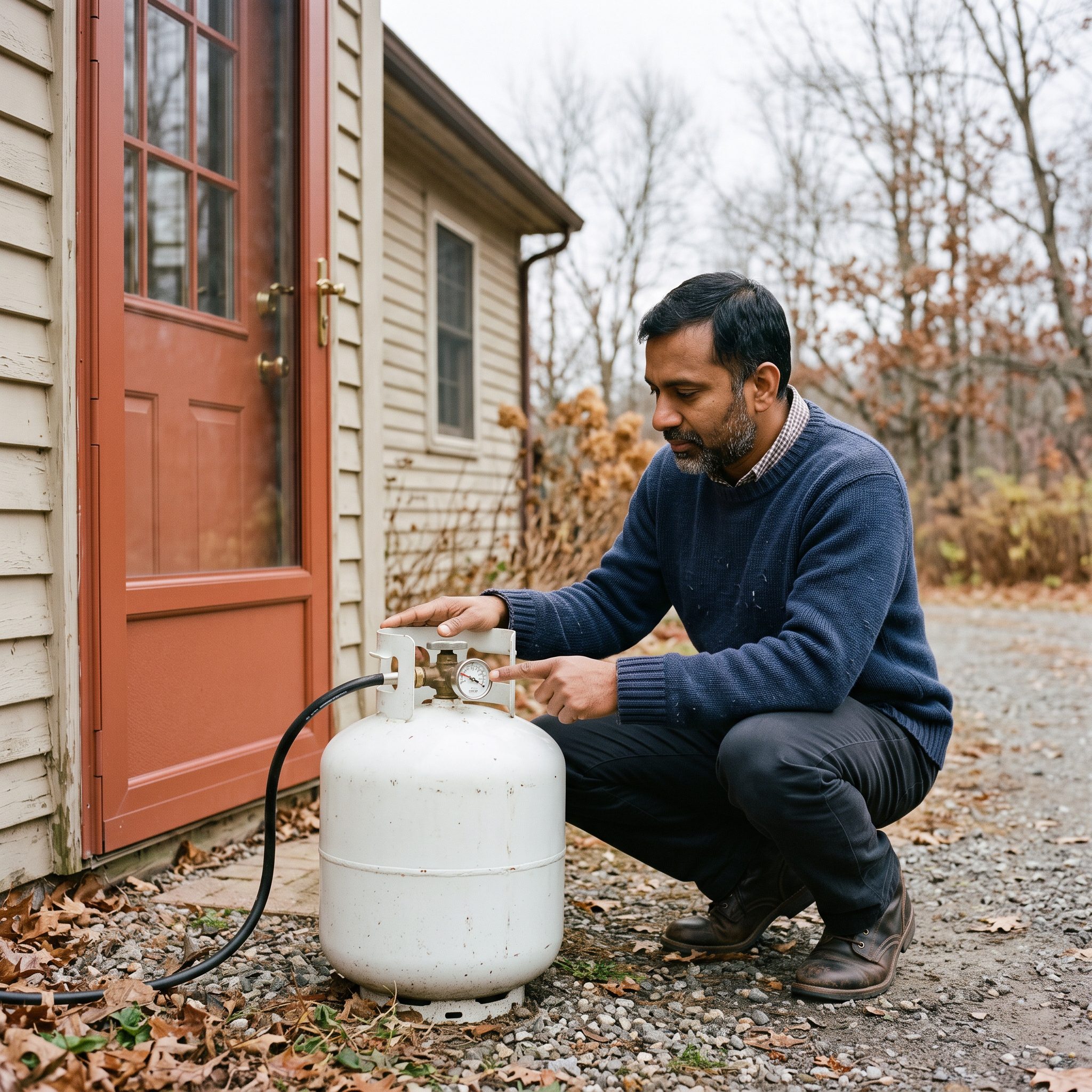
If your heat comes from a propane tank, a buried oil tank, or a wood pile instead of a gas line, your LIHEAP benefit works differently than a neighbor’s whose heat shows up on a monthly utility bill. Bulk fuel gets paid out as a scheduled delivery to a certified vendor, not a credit applied to an account you already have.
Imagine a family named the Delgados, raising a 6-year-old son in a rural home heated by propane. Their tank reads a quarter full in late October, and they call their local LIHEAP office that same week, not the week the tank runs dry.
Why the LIHEAP bulk fuel delivery benefit works differently
The federal Low Income Home Energy Assistance Program is built on a block grant to states, and states design their own delivery mechanics within the law. Under the United States Code (U.S.C.), specifically 42 U.S.C. § 8624(b)(1)(B), Congress requires every state’s LIHEAP plan to describe how it will “intervene in energy crisis situations.” States that administer crisis help for bulk fuel pay the fuel vendor directly, once a delivery is approved and scheduled.
That means your benefit doesn’t reduce next month’s bill the way a metered-utility household’s does. It buys you a tank refill, a cord of wood, or an oil delivery, sized to what your household qualifies for and what your state’s benefit table allows that year. Your local community action agency, not a state office hundreds of miles away, usually handles the actual scheduling once your application clears, so keep its phone number on hand once you’re approved.
What a real state’s numbers look like
Maine’s fiscal year 2026 LIHEAP program, run through the state’s network of community action agencies, pays a heating benefit between $88 and $1,012 depending on household size, income, and fuel cost, plus a separate $500 crisis benefit when a household is genuinely at risk of running out. Eligibility for heating, cooling, and crisis assistance in Maine runs at or under 60% of the state median income, a different measure than the federal poverty level used by many other programs. Maine’s Winter Crisis program runs November 1 through April 30 each year.
Every state sets its own numbers and dates, so treat Maine’s figures as an example, not your own state’s answer.
| Maine FY2026 LIHEAP benefit | Amount or window |
|---|---|
| Minimum heating benefit | $88 |
| Maximum heating benefit | $1,012 |
| Crisis benefit | $500 |
| Income limit (heating/cooling/crisis) | 60% of state median income |
| Winter Crisis program window | November 1 to April 30 |
For the Delgados, applying in late October rather than waiting for a true emergency meant their son’s home stayed warm on a normal delivery schedule instead of a same-day emergency one. Kentucky’s crisis regulation defines a true emergency as a household that will run out of bulk fuel within four days of applying. Waiting that long turns a routine delivery into a race against the calendar.
What most bulk-fuel families get wrong
The biggest mistake is waiting for the tank gauge to hit empty before calling. A delivery has to be scheduled with a certified vendor, and vendors serve a queue of households, not just yours. Applying while you still have a few weeks of fuel left gives your local agency time to process paperwork and schedule the truck before the emergency definition even applies to you.
The second mistake is assuming a wood-burning household doesn’t qualify at all. Wood, along with propane and heating oil, is treated as a deliverable fuel under most state LIHEAP plans, the same category that triggers a crisis delivery rather than a bill credit.
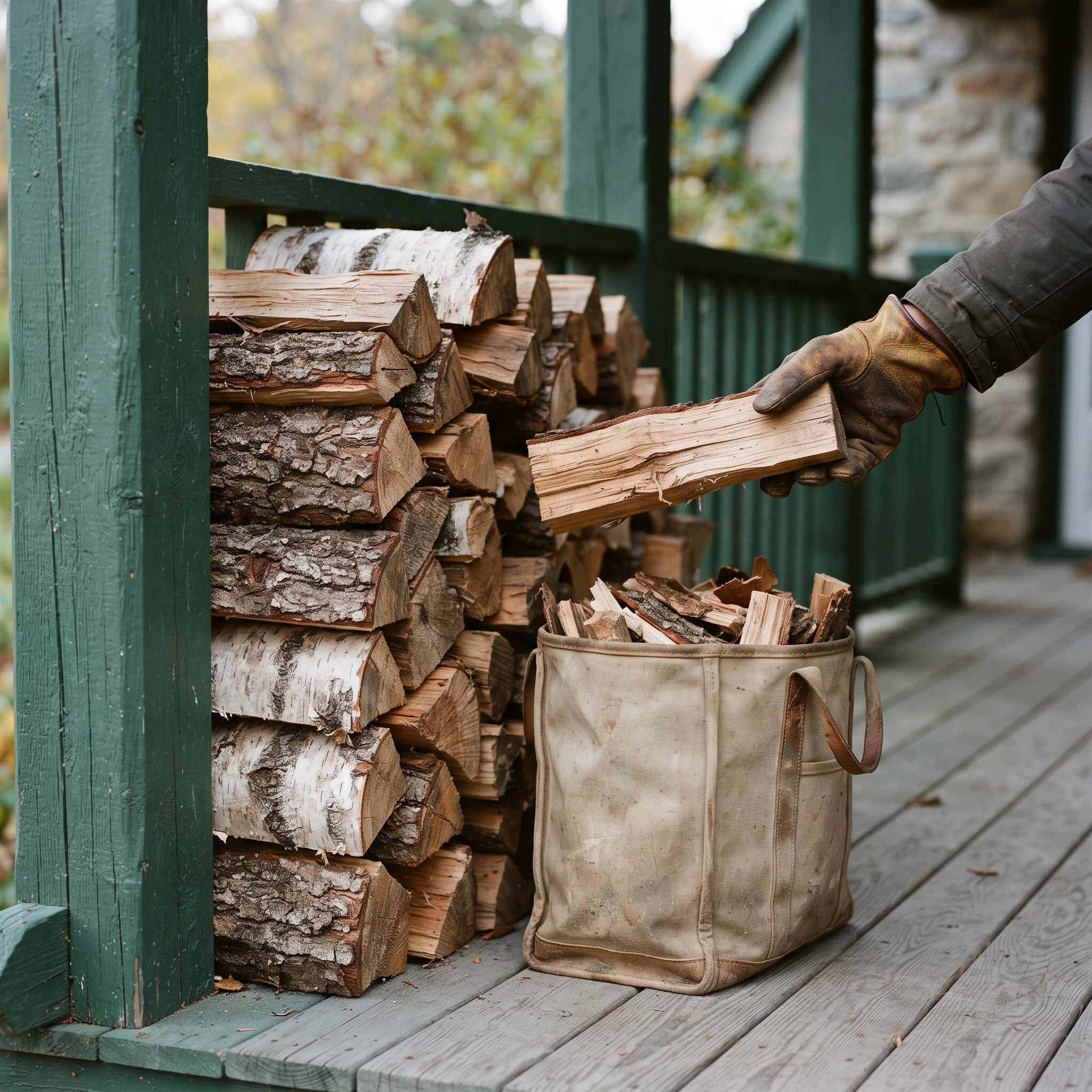
If your primary heat source is a wood stove, say so clearly on your application rather than leaving the fuel-type field blank.
If you’re denied
If your crisis application is denied, ask in writing why, and specifically whether the denial was about income, about fuel type, or about your delivery vendor not being certified with the state program. A vendor certification problem is fixable by calling a different registered vendor, not by reapplying with the same information.
File your application and any appeal through your local community action agency, the organization most states designate to take LIHEAP intake, rather than a state office. Every state LIHEAP office maintains a hearing or appeal process; ask for it directly if your denial doesn’t make sense against your own numbers.
A denial based on income alone is worth a second look too, since some states count only certain household members’ earnings toward the limit.
Frequently asked questions
Does LIHEAP pay bulk fuel households the same way it pays gas or electric households? No. Metered-utility households usually get a bill credit applied through their utility company. Bulk-fuel households, those heating with propane, oil, or wood, get a scheduled delivery paid directly to a certified fuel vendor instead.
When should I apply if I heat with propane or oil? Apply as soon as your tank starts running low, well before you’re actually at risk of running out. Many states define a true crisis as being only a few days from empty, and a delivery still has to be scheduled and completed after your application is approved.
Does a wood-burning stove qualify for LIHEAP help? Yes, in most states. Wood is treated as a deliverable fuel the same way propane and heating oil are. List it clearly as your primary heat source on your application so your caseworker routes it to the right benefit.
How much does a typical LIHEAP crisis benefit pay? It varies by state. Maine’s FY2026 crisis benefit is $500, separate from its regular heating benefit of $88 to $1,012. Check your own state’s published benefit table, since amounts differ widely across the country.



Leave a Reply