6 min read · Last updated September 3, 2026
- California’s Medical Baseline Allowance gives qualifying households extra electricity billed at the utility’s lowest rate, up to 16.5 extra kilowatt-hours (kWh) per day through Southern California Edison (SCE), or about 500 kWh a month through Pacific Gas and Electric (PG&E).
- Arizona Public Service (APS) offers a 35% or 60% bill discount, worth up to $95 or $165 a month, for medically qualifying households already enrolled in its income-based Energy Support Program.
- This is a physician-certified rate class you renew on a schedule, most commonly every 2 to 4 years depending on the utility and whether the condition is permanent, not a one-time payment like the Low Income Home Energy Assistance Program (LIHEAP).
- Missing the Medical Baseline recertification deadline (every 2 to 4 years, depending on the utility) removes the household from the program automatically, even when the child still depends on the equipment every day.
In this article
- What this rate program actually is
- Who qualifies
- How to apply
- What families get wrong or miss
- What to do if denied
- Frequently asked questions
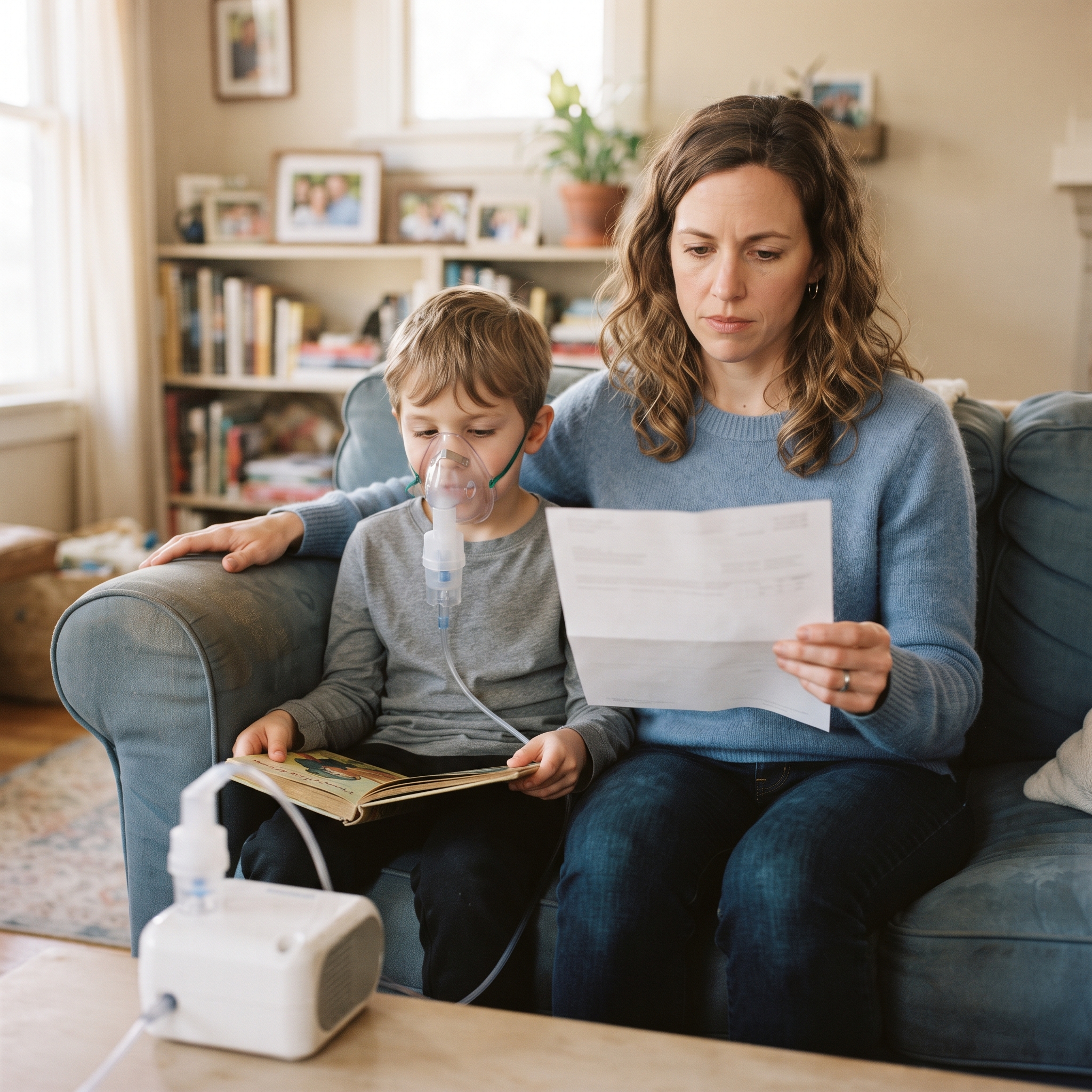
Jennifer Walsh’s nine-year-old son Eli runs a home oxygen concentrator up to sixteen hours a day, and her Southern California Edison bill has settled around $260 a month just to keep it running. A caseworker mentioned, almost as an aside, that Eli’s concentrator likely qualified the household for a lower electric rate that most families never ask about.
What this rate program actually is
This is not LIHEAP, which helps cover a past-due bill once or twice a season. It is an ongoing rate class, sometimes called a medical baseline allowance and sometimes a medical equipment discount, that most electric utilities offer under rules set by their state’s Public Utilities Commission (PUC). Once enrolled, the household either gets extra electricity billed at the utility’s cheapest tier every month, or a flat percentage knocked off the whole bill, for as long as the certification stays current.
There is no single federal version of this program. Each state’s PUC, and often each utility within that state, sets its own allowance amount, discount percentage, and paperwork. California’s Medical Baseline Allowance is the most developed example, regulated by the California Public Utilities Commission (CPUC). Southern California Edison’s (SCE) own fact sheet lists an extra 16.5 kWh of electricity per day at the lowest baseline rate, or a flat 11% discount for households on non-baseline rate plans. Pacific Gas and Electric’s (PG&E) Medical Baseline page lists roughly 500 extra kWh a month and 25 extra therms of gas a month at the lowest rate, or a 12% discount on certain time-of-use plans. Arizona and the Los Angeles Department of Water and Power (LADWP) run different versions, covered below.
| Utility / area | Program name | What it gives | Certification required | Renewal cycle |
|---|---|---|---|---|
| California (SCE, PG&E) | Medical Baseline Allowance | Extra electricity and gas at the lowest baseline rate, or an 11-12% flat discount on some rate plans | Licensed physician certifies a qualifying condition or equipment need | Every 2 years for temporary conditions; self-certify every 4 years for permanent conditions |
| Arizona (APS) | Energy Support with Medical | 35% or 60% off the monthly bill, up to $95 or $165, layered on the income-based Energy Support Program | Physician letter confirming life-threatening illness or life-support equipment | Periodic recertification required; confirm the current cycle with APS |
| Los Angeles (LADWP) | Life-Support Equipment Discount | Reduced rate for households running qualifying life-support equipment | Medical documentation plus proof of full-time residency | Periodic review and recertification |
Who qualifies
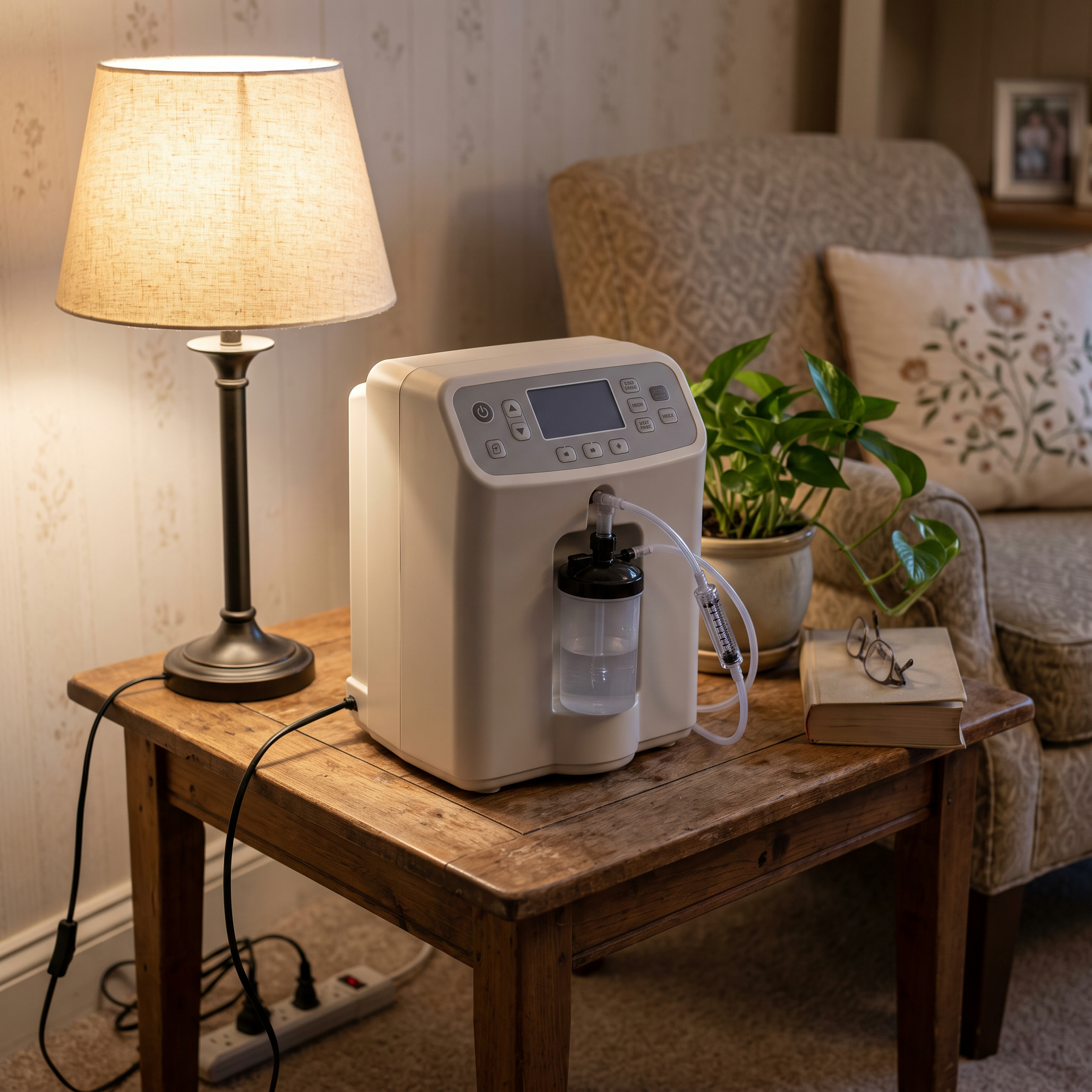
Eligibility runs on medical necessity, not income, in California. CPUC’s own consumer page lists qualifying conditions as reliance on electrically powered life-support equipment, a life-threatening illness, multiple sclerosis, scleroderma, paraplegia, quadriplegia, or a compromised immune system. A home oxygen concentrator, nebulizer, feeding pump, apnea monitor, or dialysis machine all count as qualifying equipment. The person with the condition does not have to be the account holder, but a full-time resident of the home must have it.
Arizona works differently. Arizona Public Service’s (APS) Energy Support with Medical program layers on top of its income-qualified Energy Support Program. A household generally needs to meet both the income threshold and provide a physician’s letter confirming a life-threatening illness or life-support equipment dependency. That combination is worth knowing before you apply, since a family that qualifies medically but not by income may need to look at a different assistance path first.
How to apply
Every version starts the same way: call your own electric utility, by name, and ask for its medical baseline allowance, medical equipment discount, or life-support rate program. Most utilities and state PUCs offer some version of this even where the exact structure differs from California’s or Arizona’s. You will generally need three things: your utility account number, a full-time resident’s diagnosis or equipment list, and a physician willing to sign a short certification form. PG&E and SCE both accept the application online, where the household submits its half first and the physician completes theirs separately using a confirmation code. LADWP and APS still lean on mailed paper forms.
What families get wrong or miss
The biggest mistake is treating this as a one-time signup. It is not. Every program reviewed here requires periodic recertification, and the cycle varies by utility and by whether the condition is considered permanent. PG&E and SCE ask permanent conditions to self-certify every four years and non-permanent conditions to recertify every two years with a new physician signature. APS also requires periodic recertification. Confirm the current renewal cycle directly with APS when you enroll, since it can change.
PG&E’s own program materials describe the removal notice a household receives by mail once it fails to self-certify or recertify on time. The allowance does not pause. It simply stops, and the household’s bill jumps back to standard rates the next cycle with no warning beyond that one mailed letter. Families also miss that this program stacks separately from other help. It does not replace utility shutoff protection rules that apply when a household with a child falls behind on a bill, and it is worth keeping current alongside those protections rather than instead of them.
What to do if denied
Ask the utility, in writing, exactly which requirement was missing, since a denial is often a paperwork gap rather than a true ineligibility. A common cause is a physician’s form completed for the wrong resident, or a diagnosis that does not match the utility’s qualifying list even though the equipment itself would qualify under a different listed condition. Resubmit with the corrected documentation rather than starting a fresh application from scratch, and ask the utility to confirm receipt with a reference number. If your utility has no formal program at all, ask to speak with its customer assistance or hardship team directly. Some smaller municipal and cooperative utilities handle medical-necessity requests case by case rather than through a named program.
Frequently asked questions
Is this the same thing as LIHEAP? No. LIHEAP is a seasonal or one-time payment that helps cover a past-due energy bill. This is an ongoing rate class that lowers what a household pays every month, for as long as the medical certification stays active. A family can qualify for both at different times, but they solve different problems.
Does every state offer this exact program? No. There is no single national program. Each state’s Public Utilities Commission sets its own rules, and utilities within a state can differ too. California and Arizona have well-documented versions, but the actionable step for any reader is to call their own electric utility and ask what medical-necessity rate options exist locally.
Who has to apply, the parent or the child? A parent or guardian typically submits the application on behalf of the household, but the qualifying condition or equipment belongs to whichever full-time resident depends on it, including a child. A physician then certifies that resident’s medical need separately from the household’s account information.
What happens if we forget to recertify? The discount or allowance is removed, usually after a mailed notice the household may not notice in time. Utilities do not prorate or backdate the loss. The fastest fix is to call and ask about reinstatement, since some utilities will reapply the discount retroactively once a new certification is on file.
Can we get this if our household income is too high for other assistance? Often yes, since California’s Medical Baseline Allowance is based on medical need, not income. Arizona’s version is the exception, since APS ties its medical discount to its income-qualified Energy Support Program. Always ask your own utility directly, since the income rule differs by location.





Leave a Reply