
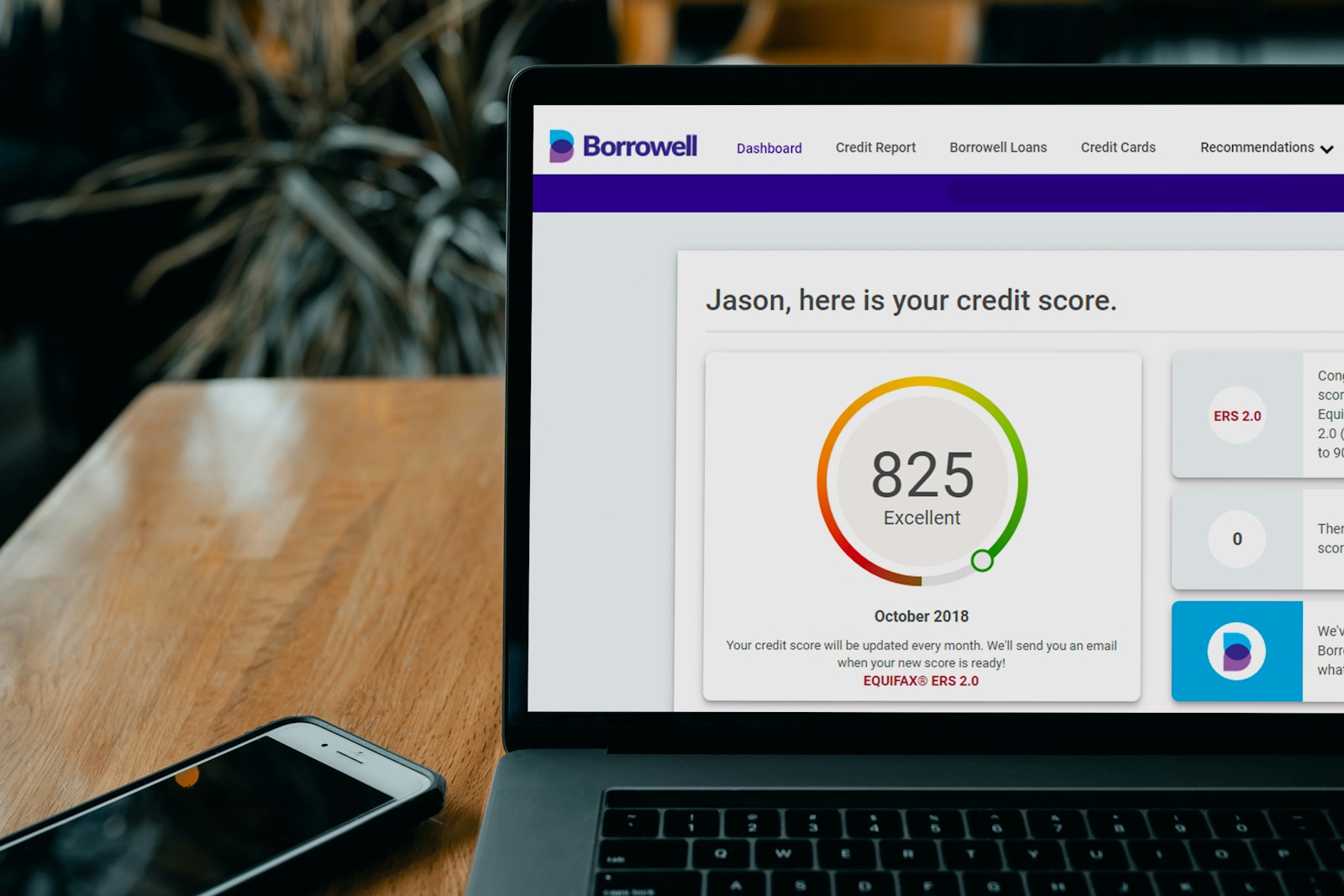
You have probably heard that applying for credit can hurt your score. But the details of how that actually works are often fuzzy, and the fear around it tends to be larger than the real risk. Hard inquiries are real, they do affect your credit score, and understanding them helps you make smarter decisions about when to apply for new credit and when to wait. This is not complicated once you see how the mechanics work and what the actual numbers behind the impact look like in practice.
What Makes an Inquiry Hard vs Soft
A hard inquiry happens when a lender pulls your credit report to make an actual lending decision. This occurs when you apply for a credit card, mortgage, auto loan, personal loan, or sometimes even a rental application. A soft inquiry happens when you check your own credit, when a company runs a background check, or when a lender pre-screens you for a promotional offer. Soft inquiries do not affect your score at all, regardless of how many occur. Hard inquiries do affect your score, but the impact is smaller than most people fear. Setting up credit monitoring alerts through a reputable service means you will see every hard inquiry as soon as it posts to your report, which helps you spot any unauthorized pulls immediately and respond quickly.
How Much Does a Hard Inquiry Actually Hurt
A single hard inquiry typically drops your credit score by fewer than five points for most people, and sometimes the impact is zero depending on the overall health of your credit profile. The effect is modest and temporary. However, multiple hard inquiries in a short window do compound. Lenders view a cluster of new applications as a sign of financial stress or an aggressive search for credit, which raises risk flags during underwriting. The important exception is rate shopping for a mortgage or auto loan. Credit scoring models treat multiple inquiries for the same loan type within a defined window, usually 14 to 45 days depending on the scoring model, as a single inquiry. Shopping around for the best rate is actually built into the way scoring works and will not hurt you the same way applying for five different credit cards in a month would.
How Long Do Hard Inquiries Stay on Your Report
Hard inquiries stay on your credit report for two full years. However, they only actively affect your credit score for the first 12 months. After that, they remain visible to lenders who pull your full report but carry no scoring weight whatsoever. This means the damage, modest as it typically is, fades within a year and stops affecting your score well before it drops off your report entirely. If you see an inquiry on your report that you do not recognize and did not authorize, that is worth investigating right away. Unauthorized inquiries can be disputed with the credit bureaus and removed when you demonstrate you did not consent to the credit pull.
When to Time Your Credit Applications
If you are planning a major loan application like a mortgage in the next few months, it makes sense to avoid applying for other new credit during that window. Even a modest score drop from a hard inquiry can push you into a different interest rate tier with some lenders, costing more over the life of the loan. On the other hand, if your score is stable and strong and you want a single rewards credit card, one inquiry is unlikely to move the needle in a meaningful way. The bigger concern is managing how many applications cluster in a short period. Space them out when you can, and use soft-pull pre-approval tools that many lenders now offer to check your odds before triggering a hard pull.
How to Review Your Current Inquiries
You are entitled to a free credit report from each of the three major bureaus through AnnualCreditReport.com. Reviewing the inquiries section shows you every hard pull from the past two years, who made the request, and when. If anything looks unfamiliar, note the creditor name and date and contact the bureau to initiate a dispute. Disputes can typically be filed online and are resolved within 30 days. Keeping an eye on this section as part of regular credit monitoring is a habit that helps you catch identity theft early and gives you a clear picture of how your recent application activity appears to any lender who reviews your file.
Hard inquiries matter, but they are rarely the catastrophe people imagine them to be. One or two over the course of a year has minimal impact on a healthy credit profile. What moves the needle far more is the overall story your file tells about your payment behavior, utilization, and account history. Keep an eye on your report, dispute anything you did not authorize, and apply for credit strategically.
Frequently Asked Questions
How much does a single hard inquiry actually lower my credit score? A single hard inquiry typically drops your score by fewer than five points for most people, and sometimes there is no impact at all depending on the overall health of your credit profile. The effect is modest and temporary. What matters more is clustering several hard inquiries in a short window, since lenders read that pattern as a sign of financial stress.
How long does a hard inquiry stay on my credit report? Hard inquiries stay on your report for two full years, but they only actively affect your score for the first 12 months. After that first year, they remain visible to lenders who pull your full report but carry no scoring weight at all. So the damage, modest as it usually is, fades well before the inquiry drops off your report entirely.
Will shopping around for a mortgage or auto loan hurt my score more because of multiple inquiries? No, credit scoring models treat multiple inquiries for the same loan type within a defined window, usually 14 to 45 days depending on the model, as a single inquiry. Rate shopping is actually built into how scoring works, so it will not hurt you the way applying for five separate credit cards in a month would. This exception exists specifically to protect consumers who are comparing loan offers.
What is a common mistake people make around hard inquiries? The most common mistake is applying for several credit products close together without realizing the inquiries compound in a way a single application would not. If you are planning a major loan application like a mortgage in the coming months, it is smart to avoid applying for other new credit during that window, since even a modest score drop can push you into a different interest rate tier.
What should I do if I see a hard inquiry I do not recognize? Pull your free credit report from each of the three major bureaus through AnnualCreditReport.com and review the inquiries section, which shows every hard pull from the past two years along with who made the request and when. If anything looks unfamiliar, note the creditor name and date and contact the bureau to file a dispute, which is typically resolved within 30 days.





Leave a Reply