
6 min read · Last updated July 30, 2026
- The Weatherization Assistance Program (WAP) pays for home energy upgrades like insulation, air sealing, and furnace repair at no cost to eligible households, and lowers every bill after, not just this month’s.
- Households at or below 200% of the federal poverty line qualify automatically, and so does anyone already receiving Supplemental Security Income (SSI).
- WAP served about 32,000 homes and supported roughly 8,500 jobs nationwide in a typical year, run through the U.S. Department of Energy.
- Both homeowners and renters can apply, though renters need their landlord’s sign-off before crews can start the work.
In this article
- What weatherization actually does to your bill
- Who qualifies in 2026
- How it’s different from LIHEAP
- How to apply: the 3-step process
- What families get wrong
- Frequently asked questions
The Ramirez family, raising three kids in a three-bedroom rental in Detroit, paid $340 a month to heat their home last winter, more than double what a similarly sized, properly insulated home nearby paid, until a weatherization crew sealed their attic and replaced two drafty windows at no cost to the family.
What weatherization actually does to your bill
The Weatherization Assistance Program, run by the U.S. Department of Energy, reduces energy costs for low-income households by improving the energy efficiency of their homes, while checking for health and safety issues along the way. In a typical year, WAP supports about 8,500 jobs and provides weatherization services to roughly 32,000 homes using federal funds.
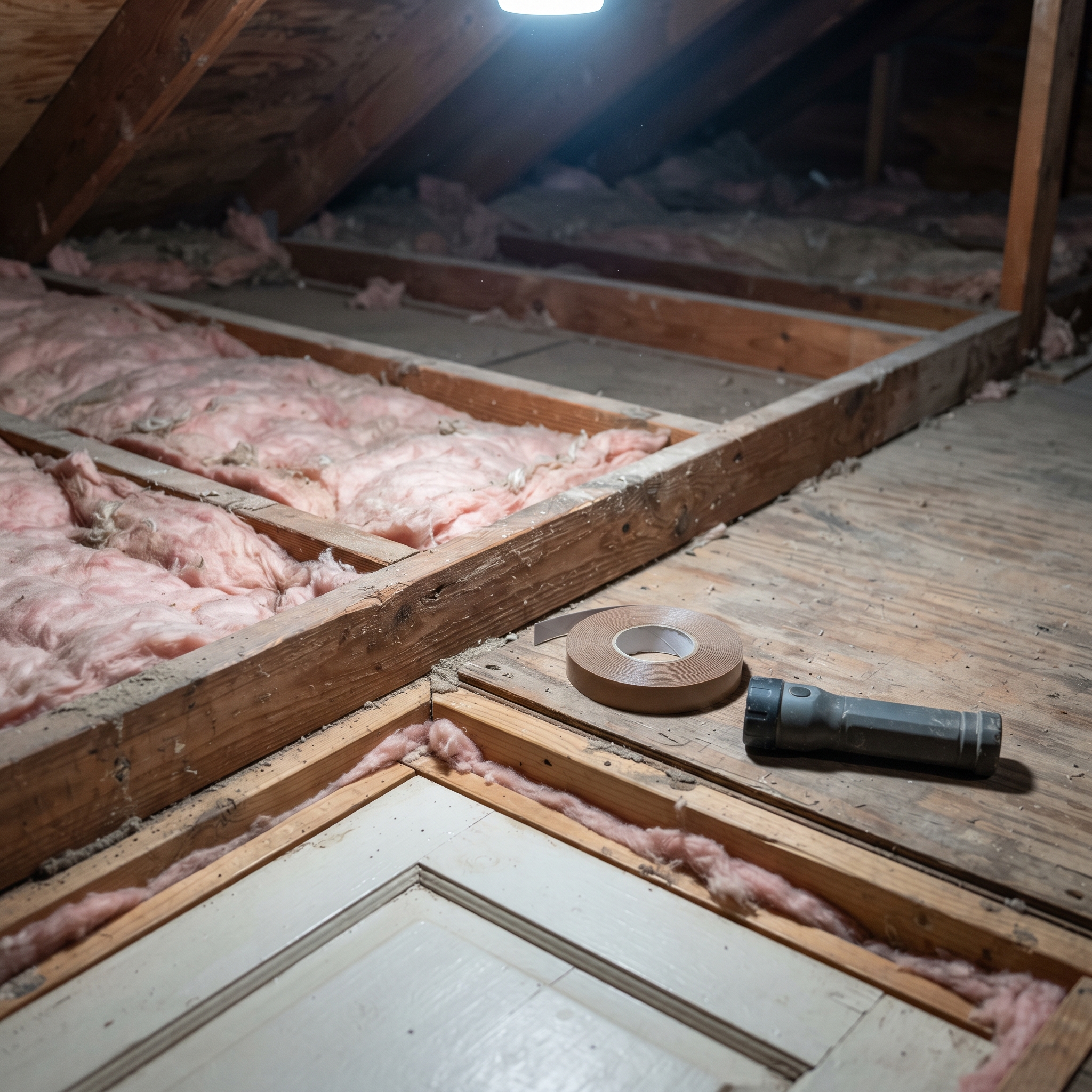
That work usually includes attic and wall insulation, air sealing around windows and doors, and repair or replacement of an inefficient furnace or air conditioner. Unlike a program that helps you pay an existing bill, weatherization changes the physical reason the bill is high in the first place.
Who qualifies in 2026
According to the Department of Energy’s official application guidance, the main eligibility factor is income. Households at or below 200% of the federal poverty guidelines, or anyone already receiving Supplemental Security Income (SSI), are considered eligible under federal rules.
For 2026, 200% of the federal poverty line works out to these monthly limits by household size:
| Household size | Annual income limit (200% FPL) | Monthly income limit |
|---|---|---|
| 1 | $31,920 | $2,660 |
| 2 | $43,280 | $3,607 |
| 3 | $54,640 | $4,553 |
| 4 | $66,000 | $5,500 |
| 5 | $77,360 | $6,447 |
Priority goes to households with an elderly member, a family member with a disability, families with children, high energy users, or homes with a high energy burden relative to income. Some states let you qualify using the same 60%-of-state-median-income test used for LIHEAP instead of the 200% federal poverty line, whichever ends up more generous where you live.
How it’s different from LIHEAP
Families sometimes assume weatherization and the Low Income Home Energy Assistance Program (LIHEAP) are the same thing. They’re related, but they solve different problems. LIHEAP helps pay an existing energy bill or covers an emergency shutoff situation. Weatherization instead pays to fix the drafty windows, thin insulation, or aging furnace driving that bill up in the first place.
Many families qualify for both. Applying for LIHEAP is often a fast way to also get connected to your local weatherization provider, since the two programs frequently share the same local agency.
How to apply: the 3-step process
Step 1: Determine your eligibility. Compare your household income against the table above, or ask whether you already qualify through SSI or your state’s LIHEAP income test.
Step 2: Find your local weatherization provider. Most areas are served by a local Community Action Agency. The Department of Energy’s site links to a state-by-state map to find yours.
Step 3: Schedule an energy audit. Once you contact your local provider, a technician assesses your home and determines which upgrades it needs before scheduling the work.
Both homeowners and renters can apply. If you rent, your landlord will need to sign off before crews can do the work, since it involves physical changes to the property.
What families get wrong
The first mistake is assuming renters can’t apply. They can, as long as the landlord agrees to the work, and most landlords say yes since the upgrades add value to the property at no cost to them.
The second mistake is expecting immediate scheduling. Local weatherization providers often have a waitlist because the number of homes they can serve each year is limited by their funding allocation, not by how many households qualify.
The third mistake is thinking weatherization only means insulation. It can also cover furnace and air conditioner repair or replacement, and basic health and safety fixes uncovered during the home energy audit, like fixing an unsafe electrical issue found along the way.
If your local agency turns down your application, ask for the specific reason in writing, most often income over the limit or a home that needs a structural repair before weatherization can proceed. Many agencies can point you toward that separate repair assistance, then reconsider your weatherization application once it’s resolved.
Frequently asked questions
Can renters get weatherization assistance, or only homeowners? Renters can apply too. The main requirement is landlord sign-off, since the work involves physical changes to the property, like insulation and window repairs.
How is weatherization different from LIHEAP? LIHEAP helps pay an existing energy bill. Weatherization instead pays to fix the insulation, air leaks, or aging equipment that’s driving the bill up, so the fix lasts beyond one season.
Is there a cost to the family for weatherization work? No. Weatherization services under this program are provided at no cost to eligible households. The work is funded through the Department of Energy and administered by local agencies.
How long does the weatherization process take from application to completed work? It varies by area and depends on local funding and waitlists. After an energy audit, the actual upgrade work is often scheduled over a few weeks, though the wait to reach that point can be longer in high-demand areas.
What if my income is above 200% of the poverty line? Check whether your state uses the LIHEAP income test instead, based on 60% of your state’s median income, since that threshold is sometimes higher than the 200% federal poverty guideline.




Leave a Reply