6 min read · Last updated October 29, 2026
- At least 24 states plus Washington, D.C. now have a waitlist or a frozen enrollment period for child care subsidy assistance, up from just 13 states in 2024.
- Federal rule requires states to prioritize three groups for services: children from very low-income families, children with special needs, and children experiencing homelessness.
- A separate federal rule lets states serve children who need protective services, including foster children, without the usual income limit, which can function as an off-ramp from the ordinary waitlist.
- While you wait, Head Start, state pre-K, and sliding-fee child care centers are no-subsidy-required options that can cover some or all of the gap.
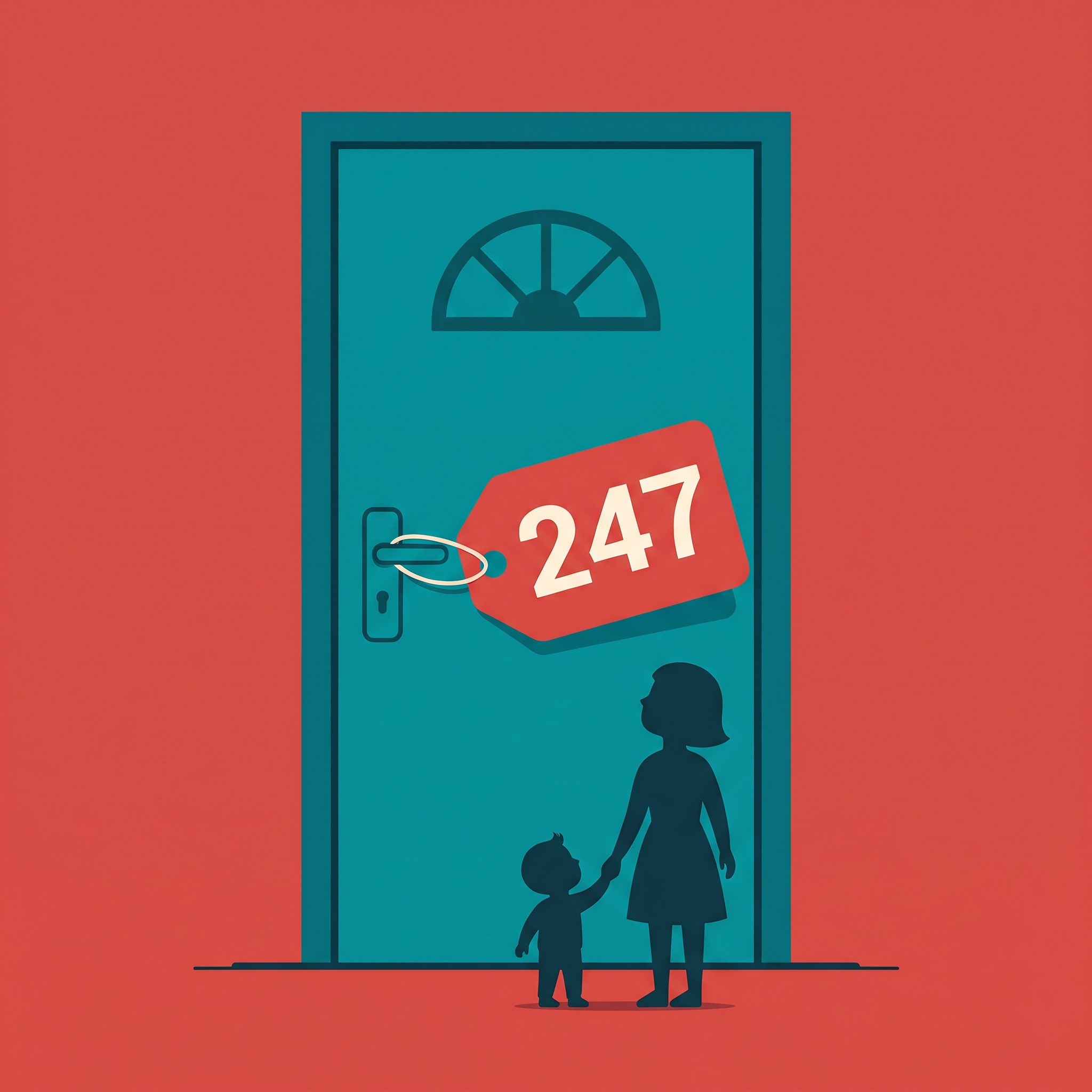
At least 24 states and Washington, D.C. have a waitlist or a frozen enrollment period for child care subsidy assistance as of 2026, up from just 13 states in 2024, and landing on that list does not mean your family has no options while you wait.
In this article
- How bad the child care subsidy waitlists have gotten
- Who states have to serve first
- What to use while you wait
- Frequently asked questions
Say a father named Jordan, working full time with a 2-year-old daughter, applies for his state’s child care subsidy and is told the program isn’t currently accepting new families outside a few priority groups. He assumes that’s the end of it. It isn’t: a waitlist position can move, and there are real programs to lean on in the meantime.
How bad the child care subsidy waitlists have gotten
The number of states freezing or waitlisting their Child Care and Development Fund (CCDF) subsidy program, the main federal child care assistance program for working families, has nearly doubled over the past two years. The National Women’s Law Center counted 17 states with a waitlist or enrollment freeze in 2025, up from 13 in 2024, and reports that at least five more states plus Washington, D.C. have since added a waitlist, with two more states freezing intake on top of that.
For the main application process for this program, see our guide to how to apply for a CCDF child care subsidy.
| State | Children affected | As of |
|---|---|---|
| Texas | More than 110,000 on the waitlist | February 2025 |
| Indiana | Roughly 31,000 on the waitlist | 2025 |
| Colorado | 11,824 children, 8,092 families (ten largest counties) | November 2025 |
| Virginia | Nearly 14,000 on the waitlist | October 2025 |
| Arizona | 9,542 children, 5,630 families | October 2025 |
Nationally, the number of children on a state child care waitlist topped 400,000 in the second half of 2025, a 78% jump from the roughly 225,000 counted in February of that same year.
Who states have to serve first
Federal rule requires every state’s Child Care and Development Fund program to prioritize three groups of children for services ahead of everyone else:
- Children from families with very low income, relative to the rest of the families applying.
- Children with special needs, which can include a broader list of vulnerable children that each state defines.
- Children experiencing homelessness.
A separate federal rule gives states another option: a child who receives, or needs to receive, protective services, including a child in foster care, can be made eligible without meeting the program’s usual income and asset limits, if the state chooses to use that option. This protective-services path exists specifically so a family already involved with child welfare services isn’t blocked by paperwork or income rules from getting care fast.
If you think your family fits one of these three categories, don’t wait for a caseworker to flag it. Call your state’s child care subsidy office directly and ask what documentation supports a priority placement:
- A letter from a caseworker, for a protective-services or foster-care referral.
- A homeless-liaison letter from your child’s school district.
- Pay stubs showing your family’s income relative to the state’s cutoff.

States process priority applications first specifically because Congress and federal rule told them to, so asking the direct question is often faster than waiting to see where your name lands on a general list.
What to use while you wait
A waitlist position does not mean no care is available. A few programs run alongside the subsidy waitlist and don’t require a Child Care and Development Fund slot to access:
- Head Start and Early Head Start are federally funded, free programs for income-eligible families with children from birth to age 5, run separately from the state subsidy waitlist.
- State pre-K programs, usually for 4-year-olds and sometimes 3-year-olds, run their own enrollment process in most states and are often free or low-cost regardless of the subsidy waitlist.
- Sliding-fee-scale child care centers, often run by nonprofits, charge based on income without needing a state subsidy at all.
- A dependent-care flexible spending account (FSA) through an employer lets you pay for child care with pre-tax dollars. It doesn’t close the cost gap a subsidy would, but it can meaningfully lower what you owe out of pocket.
Jordan, from the opening, enrolled his daughter in a sliding-fee-scale center near his job while he stayed on the state waitlist, then moved her into a Head Start classroom the following fall once a seat opened up.
Frequently asked questions
How do I find out if my state has a child care subsidy waitlist? Contact your state’s child care subsidy agency or Child Care Resource and Referral agency directly and ask about current wait times. Waitlist and freeze policies can also vary by county within a state, so ask specifically about your county.
Does being in a priority category guarantee I skip the waitlist? It gives your application priority processing ahead of other applicants, but it doesn’t guarantee instant placement if a state’s funding is fully committed. Still, ask your caseworker directly whether you qualify under a priority category, since many families never ask.
My child is in foster care. Does that change anything? Yes. Federal rule lets states waive the usual income and asset limits for children who need protective services, including children in foster care, which can open a faster path to assistance even during a general waitlist.
Can I apply for Head Start while I’m on the child care subsidy waitlist? Yes. Head Start and Early Head Start run on a separate application and funding stream from your state’s child care subsidy program, so being on one waitlist doesn’t block you from applying to the other.
Will my waitlist position expire if I don’t update my application? Many states require periodic reverification to stay on a waitlist, and missing it can remove your family from the list entirely. Ask your caseworker how often you need to confirm your information is current.



Leave a Reply