

7 min read · Last updated October 15, 2026
- In Franklin County, Ohio, a family of four can earn up to $66,900 a year and still qualify for a Low-Income Housing Tax Credit (LIHTC) apartment at 60% of the area’s median income.
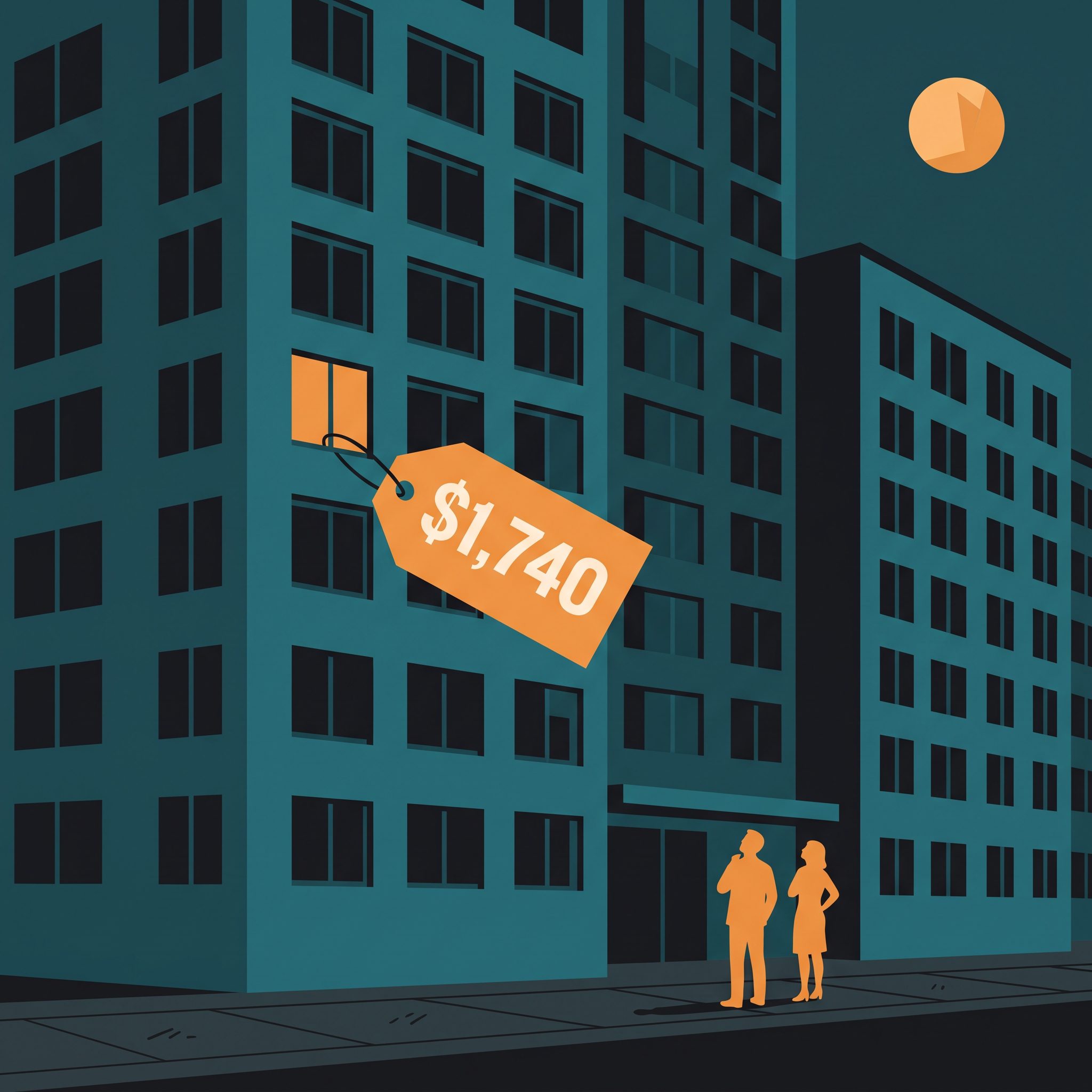
- LIHTC rent is capped by the unit, not the tenant. A 3-bedroom unit in that same county tops out at $1,740 a month no matter what the family actually earns.
- The identical 3-bedroom unit in Cuyahoga County, home to Cleveland, caps at $1,638 a month, because the income figure behind the rent is set locally, not nationally.
- Unlike a Housing Choice Voucher, a LIHTC building’s rent never drops just because a resident’s income falls.
A Low-Income Housing Tax Credit (LIHTC) apartment sets its maximum rent off a fixed share of the local area’s median income, not off the tenant’s own paycheck, so a family that starts at $30,000 a year and later earns $50,000 pays the same capped rent either way.
In this article
- What a tax-credit apartment actually is
- LIHTC income and rent limits by household size
- Why the rent never moves once you are in
- How this differs from a housing voucher
- How to actually find and apply for a unit
- What families get wrong
- Frequently asked questions
A Low-Income Housing Tax Credit (LIHTC) apartment caps rent at a fixed share of the local area’s median income, not at a share of the tenant’s own paycheck. That is why a renter’s rent does not climb when a raise comes through.
Say a mother named Dana is raising two kids in Franklin County, Ohio, home to Columbus, and wants to stay in their school district. Earning up to $66,900 a year, her family of four still qualifies for one of these units in 2026, and the 3-bedroom unit she needs is capped at $1,740 a month, whether her income is $25,000 or the full $66,900.
What a Tax-Credit Apartment Actually Is
The Low-Income Housing Tax Credit is a federal tax credit, created under Section 42 of the Internal Revenue Code, that pays developers to build or rehab apartment buildings in exchange for renting a share of the units at restricted rents to lower-income households. It is not a government-owned building and not a voucher. A private owner runs the property under a rent and income agreement that usually lasts 30 years or more.
To move in, a household’s income has to fall at or below a set share of the area’s median income (AMI), usually 50% or 60%, according to the National Housing Law Project. The U.S. Department of Housing and Urban Development (HUD) publishes that AMI figure every year for every county in the country, and it sets both who can move in and what the unit can charge.
LIHTC Income and Rent Limits by Household Size
The dollar figure is never one national number. It is set county by county off the area’s median income data, and a state’s housing finance agency republishes it every spring. These two real Ohio counties show the actual figures, effective May 1, 2026, according to the Ohio Housing Finance Agency’s 2026 rent and income limit chart:
| Figure | Franklin County (Columbus) | Cuyahoga County (Cleveland) |
|---|---|---|
| 60% income limit, 1-person household | $46,860 | $44,100 |
| 60% income limit, 2-person household | $53,520 | $50,400 |
| 60% income limit, 4-person household | $66,900 | $63,000 |
| Max rent, 3-bedroom unit at 60% AMI | $1,740/month | $1,638/month |
Your own county’s number will be different. HUD’s Income Limits dataset publishes the figure for every county, and your state’s housing finance agency usually republishes it in a simpler chart you can search for by name.
Why the Rent Never Moves Once You Are In
This is the part that trips families up the most. LIHTC rent is not calculated from the tenant’s paycheck at all. According to the National Housing Law Project, “a tenant’s rent will not change even if the family’s income significantly increases or decreases.” The maximum rent is locked to the unit’s income tier (50% or 60% of AMI) using an assumed household size for that bedroom count, not the actual size or actual earnings of the family living there.
That cuts both ways. A family whose income drops does not get a lower rent automatically, and a family whose income rises past move-in does not get an automatic rent increase either, as long as they stay under the property’s re-certification rules. Those rules vary by property, so ask your leasing office directly what happens at your annual income re-certification.
How This Differs From a Housing Voucher
A Section 8 Housing Choice Voucher works the opposite way: the tenant generally pays about 30% of their own household income toward rent, and the voucher covers the rest up to a payment standard. If a voucher holder’s income drops, their share of the rent drops with it. A LIHTC apartment has no such adjustment built in, because the rent was never tied to that household’s income in the first place.
The two programs do overlap. A LIHTC property must accept Section 8 voucher holders who qualify, so a family with both a voucher and a LIHTC-eligible income can often combine them. Project-based rental assistance works on a similar unit-first logic; see how project-based rental assistance is tied to the apartment, not the family for the housing-voucher-program version of that same idea.
How to Actually Find and Apply for a Unit
There is no single national waiting list for LIHTC apartments. Each building manages its own:
- Search your state’s housing finance agency website for its LIHTC property list, or use HUD’s LIHTC database locator for your area.
- Contact the property management company directly. These are privately run buildings, not a government housing office.
- Ask whether the building has a waiting list. Many popular buildings keep one, and some re-open their list only once or twice a year.
- Bring proof of income and household size for the initial application and every annual re-certification. This documentation requirement comes from the property, separate from any other benefit program you may also use.
What Families Get Wrong
The most common misread is treating LIHTC like subsidized public housing, where rent tracks income closely. It does not. A family can genuinely be cost-burdened in a LIHTC unit even though they qualified for it, because the rent reflects the area’s median income, not their own.
The second common mistake is panicking the moment a raise arrives. If Dana picks up extra hours next year and her income climbs past the limit, most properties do not evict a tenant the instant that happens mid-lease; many simply address it at the next annual re-certification. Rules differ by property, so get the specifics from your leasing office rather than assuming the worst.
Frequently Asked Questions
What does “area median income” (AMI) mean, and who sets it? AMI is the midpoint income for a metro area or county, published annually by the U.S. Department of Housing and Urban Development (HUD). LIHTC properties use a share of that number, usually 50% or 60%, to set both who can move in and what the unit can charge in rent.
Is a tax-credit apartment the same as public housing? No. Public housing is owned and operated by a local public housing authority. A LIHTC apartment is privately owned and financed using a federal tax credit in exchange for renting some units at restricted rents to lower-income households for a set number of years.
Can I use a Housing Choice Voucher in a LIHTC unit? Often yes. LIHTC properties generally must accept qualified voucher holders. Ask the leasing office directly, since a specific unit’s rent cap and the voucher’s payment standard both have to line up for it to work.
Does my rent go down if my income drops after I move in? No. LIHTC rent is fixed to the unit’s income tier, not to the household’s actual earnings, so it does not move automatically in either direction once you are living there.
How do I find LIHTC apartments in my area? Search your state housing finance agency’s property list or HUD’s LIHTC database locator, then contact each building’s management company directly to ask about availability and waiting lists.





Leave a Reply