
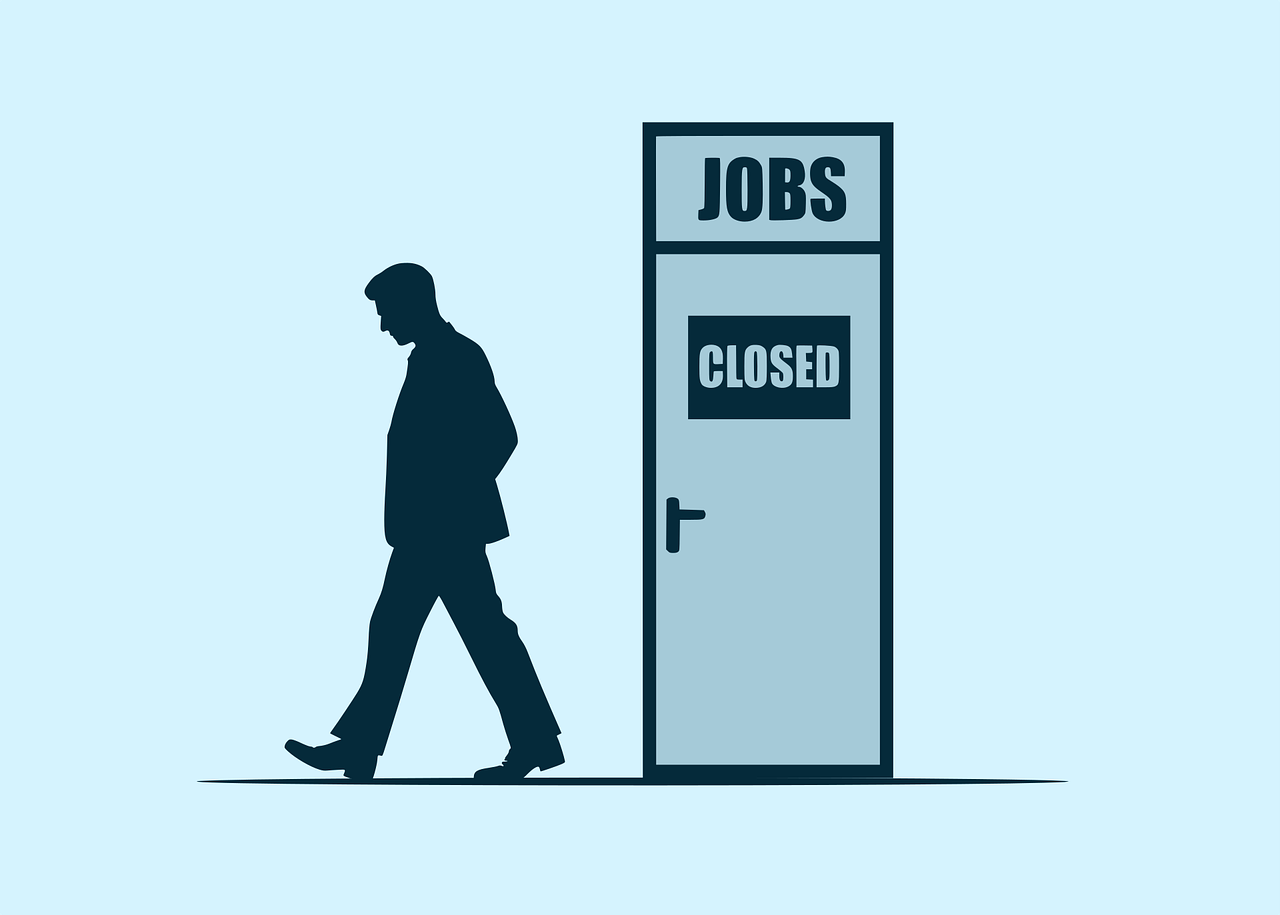
Losing a job disrupts more than your income stream. It cuts off the health insurance that covers you and your family at a time when stress and uncertainty are already running high. Employer-sponsored insurance is the most common form of health coverage in the United States, and when that job ends, the coverage typically ends with it within days or weeks. The decisions you make in the first 30 to 60 days after a job loss determine whether your family stays protected or faces a dangerous gap.
The good news is that several pathways exist to maintain or replace coverage after a layoff. Federal and state laws protect your right to continue or obtain insurance during this transition period. Understanding those options and the deadlines attached to each one prevents the kind of coverage lapse that leads to delayed medical care and mounting medical debt when something goes wrong.
COBRA Lets You Keep Your Employer Plan Temporarily
COBRA gives you the right to continue your employer-sponsored health plan for up to 18 months after losing your job, but you pay the full premium amount plus a 2 percent administrative fee.
COBRA applies to employers with 20 or more employees on their payroll. The coverage under COBRA is identical to what you had while employed. The same provider network, the same deductible, the same benefits package. The catch is the cost. You pay the full premium, meaning both your share and the amount your employer was previously contributing on your behalf, plus a 2 percent administrative fee on top. That total often reaches 400 to 700 dollars per month for an individual and over 1,500 dollars for a family plan. Asking the clinic about all available services during your first visit often reveals programs you did not know existed, such as dental care, mental health counseling, and enrollment assistance under the same roof.
COBRA makes financial sense in specific situations. When you have already met your deductible for the year, switching plans would reset that spending and cost you more overall. When you are in the middle of treatment with a specific provider, COBRA keeps your existing network intact so your care continues without interruption. For many other households, marketplace plans with premium tax credits cost significantly less than COBRA coverage.
Marketplace Plans and Premium Tax Credits
Losing employer-sponsored insurance qualifies you for a Special Enrollment Period on the Health Insurance Marketplace, giving you 60 days to enroll in a new plan.
A job loss with coverage termination is a qualifying life event under marketplace rules. Apply at HealthCare.gov within 60 days of losing your coverage. The application screens you for premium tax credits based on your projected annual income and for Medicaid eligibility automatically at the same time. After a job loss, your expected annual income is often much lower than it was while employed. That lower income projection may qualify you for substantial credits that bring monthly premiums down to 50 to 150 dollars or less for a silver-level plan.
Medicaid and CHIP May Cover Your Family
Households whose income drops below Medicaid thresholds after a job loss qualify for coverage with no monthly premium and minimal out-of-pocket costs for most services.
Medicaid eligibility is based on current monthly income, not your annual earnings from before the job loss occurred. A worker who earned 60,000 dollars per year but lost their job in March may qualify for Medicaid starting in April when their current monthly income falls below the state threshold. Children in the household may qualify for coverage through CHIP even when the parent does not meet Medicaid income requirements. Our guide to CHIP family coverage explains the eligibility rules and application process for children’s coverage separately.
The video below shows how you can keep your coverage:
What to Do in the First Week
Taking specific steps in the first seven days protects your coverage options, preserves your enrollment deadlines, and prevents critical timelines from slipping away unnoticed.
Complete these steps during the first week after losing your job:
- Confirm the exact date your employer-sponsored coverage ends, since that date triggers both your COBRA election timeline and your marketplace Special Enrollment Period
- Start a marketplace application at HealthCare.gov, which automatically screens you for premium tax credits and Medicaid eligibility in one process
- Review your COBRA election notice when it arrives and compare the monthly cost against what the marketplace shows with your estimated tax credits applied
- File for unemployment benefits promptly, since your unemployment income affects both your marketplace premium calculation and your Medicaid eligibility determination going forward
Health coverage gaps after a job loss are preventable with prompt action. The tools to maintain coverage exist at the federal and state level. Acting within the first week gives you the most options, the most time to compare costs carefully, and the strongest position to make a sound decision for your household.




Leave a Reply