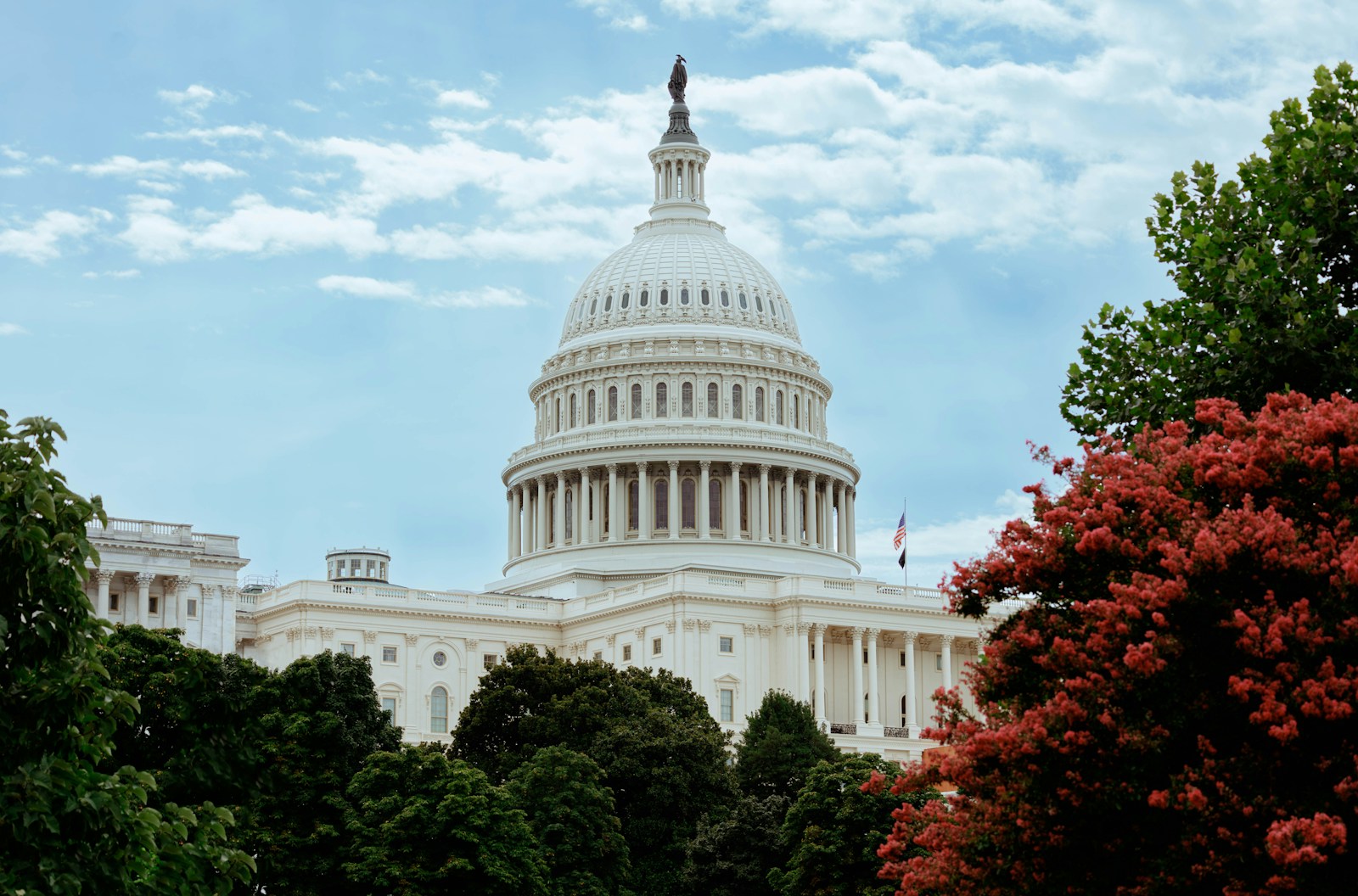
Federal employment aid programs remain vital in 2026, helping workers navigate job transitions, economic shifts, and industry changes. January updates from the Department of Labor and related agencies highlighted new funding priorities, compliance frameworks, and expanded services. Below are the top five federal employment aid programs making an impact this year.
1. Workforce Innovation and Opportunity Act (WIOA)
The Workforce Innovation and Opportunity Act (WIOA) continues to serve as the backbone of federal workforce development. It funds job training, career services, and workforce boards across all states. In January 2026, the Department of Labor’s Employment and Training Administration (ETA) announced expanded funding for reskilling initiatives, particularly in advanced manufacturing, clean energy, and digital technology sectors.
WIOA programs serve adults, dislocated workers, and youth. Services include career counseling, skills assessments, and access to training providers. Compliance frameworks require states to report performance outcomes, ensuring accountability. For example, states must track job placement rates, wage gains, and credential attainment. This data is used to evaluate program effectiveness and guide future funding decisions.
For workers, WIOA provides a structured pathway to reemployment and long-term career growth. For employers, it ensures a pipeline of skilled talent ready to meet evolving industry demands.
2. Job Corps
Job Corps remains the nation’s largest residential career training program for young adults aged 16 to 24. It offers free education and vocational training, along with housing, meals, and healthcare. In January 2026, Job Corps centers received additional funding to expand programs in healthcare, information technology, and renewable energy.
Participants gain high school diplomas or industry-recognized certifications while living on campus. Job Corps emphasizes compliance with federal safety and reporting standards, ensuring that centers operate responsibly. Each center must meet performance benchmarks, including graduation rates and job placement outcomes.
For young adults, Job Corps provides a unique opportunity to gain skills, experience, and confidence in a supportive environment. For communities, it reduces youth unemployment and strengthens local economies by preparing residents for in-demand jobs.
3. Trade Adjustment Assistance (TAA)
Trade Adjustment Assistance (TAA) supports workers who lose jobs due to foreign competition. TAA provides retraining, income support, and relocation allowances. In January 2026, the Department of Labor confirmed that TAA funding would prioritize industries affected by global supply chain shifts, including textiles, electronics, and automotive manufacturing.
TAA programs require strict compliance with eligibility rules. Workers must demonstrate that job losses are directly tied to trade impacts. States must follow state unemployment compliance rules when administering benefits, ensuring fairness and transparency. Compliance audits verify that funds are distributed properly and that workers receive the support they are entitled to.
For displaced workers, TAA offers a lifeline to reemployment and stability. For industries, it helps maintain competitiveness by retraining workers for new roles in evolving markets.
4. ApprenticeshipUSA
ApprenticeshipUSA promotes registered apprenticeships across industries. These programs combine paid on-the-job training with classroom instruction, leading to nationally recognized credentials. In January 2026, the Department of Labor announced new funding for apprenticeships in cybersecurity, healthcare, and advanced manufacturing.
ApprenticeshipUSA requires employers and training providers to meet federal compliance standards. Programs must report completion rates, wage gains, and diversity outcomes. Compliance ensures that apprenticeships remain fair, inclusive, and effective.
For workers, apprenticeships provide a direct pathway to careers without the burden of student debt. Apprentices earn wages while learning, making the model financially sustainable. Employers benefit from a skilled workforce tailored to industry needs, reducing turnover and improving productivity.
5. Make America Skilled Again Initiative
The Make America Skilled Again initiative, launched under the Employment and Training Administration, focuses on expanding access to short-term credential programs. In January 2026, funding priorities included digital skills, green technologies, and healthcare support roles.
This initiative emphasizes rapid training programs that prepare workers for in-demand jobs. Compliance frameworks require providers to demonstrate job placement outcomes and wage improvements. Programs must also report demographic data to ensure inclusivity.
For workers, the initiative offers a fast track to employment in growing industries. For employers, it ensures a pipeline of skilled talent ready to meet evolving demands. The initiative reflects a broader federal push to align workforce training with emerging economic priorities, ensuring that the U.S. remains competitive in global markets.
Federal employment aid programs remain vital in 2026, addressing challenges from global trade shifts, rising healthcare needs, and the digital economy. WIOA, Job Corps, TAA, ApprenticeshipUSA, and the Make America Skilled Again initiative each provide unique pathways to employment. Compliance frameworks, including state unemployment compliance rules, ensure fairness, transparency, and accountability. Together, these programs strengthen the workforce, support economic growth, and provide opportunities for millions of Americans.





Leave a Reply