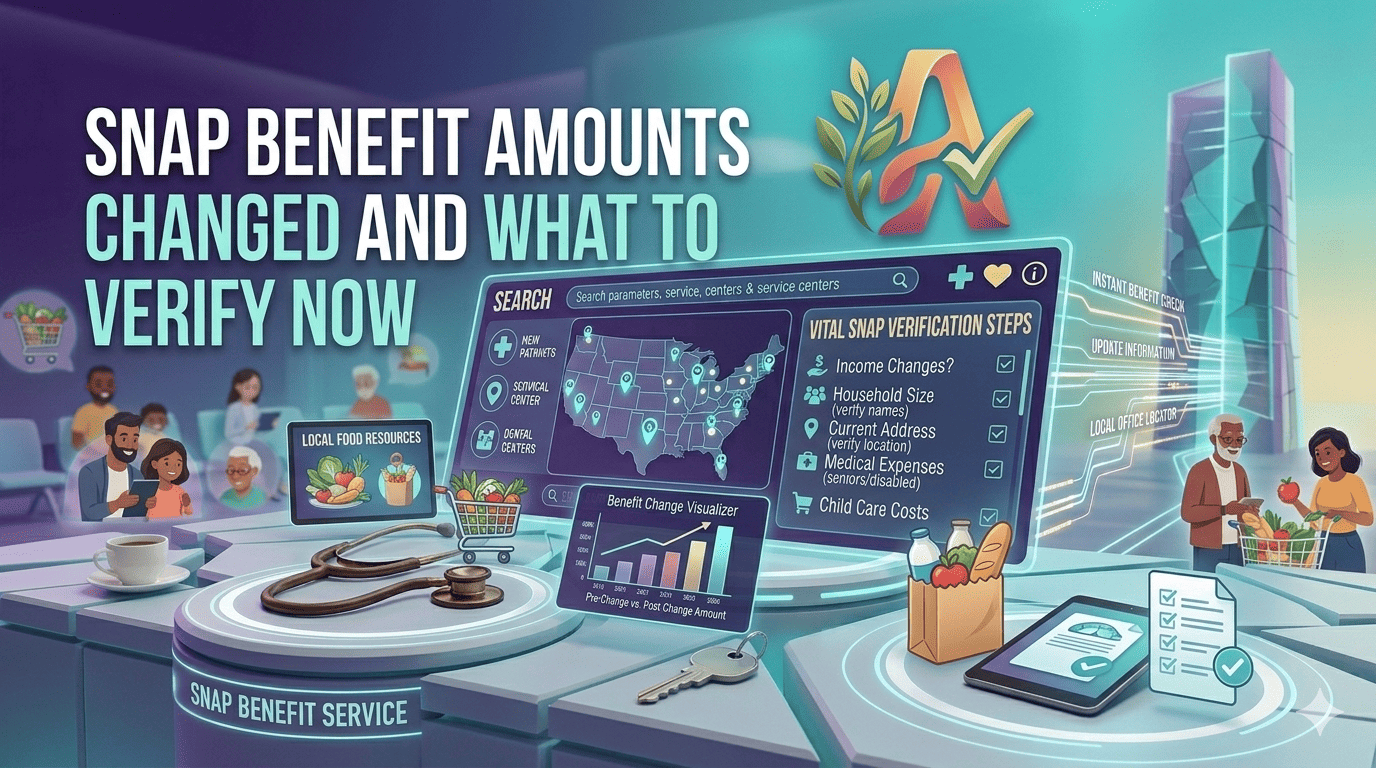
The Supplemental Nutrition Assistance Program serves roughly 42 million people each month, making it the largest food assistance program in the United States by a significant margin. Every year, SNAP benefit amounts, income limits, and deduction figures are updated based on changes to the cost of living and food prices. Those annual adjustments affect how much your household receives each month and whether new applicants qualify for the program.
The 2026 fiscal year brought updated figures that went into effect on October 1, 2025. Some households saw their monthly benefit increase slightly compared to the previous year. Others noticed their benefit stayed flat or decreased because of a change in household income, family size, or the deduction calculations used in their state. Understanding what changed and how to verify your specific case helps you avoid missing benefits your household is entitled to receive. Comparing your current benefit amount against the official USDA tables for your household size each October, when the new fiscal year figures take effect, ensures you catch any discrepancies early in the cycle. Setting a calendar reminder 30 days before your recertification deadline gives you enough time to gather updated documentation without rushing at the last minute and risking a missed submission.
What Changed in SNAP for Fiscal Year 2026
USDA adjusts SNAP maximum allotments, income eligibility limits, and standard deductions annually based on cost-of-living data and the price of the Thrifty Food Plan.
Maximum monthly allotments are updated based on the cost of the USDA Thrifty Food Plan, which estimates the minimum cost of a nutritious diet for a household of a given size and composition. When food prices rise, maximum allotments typically increase to match. Income eligibility limits are tied to the federal poverty level, with gross income limits set at 130 percent and net income limits at 100 percent for most household types.
Standard deductions, excess shelter deductions, and earned income deductions are adjusted as well during each annual update. These deductions reduce your countable net income, which is the figure that ultimately determines your actual monthly benefit amount. A change in any deduction figure shifts your benefit even when your gross household income stays exactly the same from one year to the next.
How to Verify Your Benefit Amount
The most reliable way to check your current benefit amount is through your state SNAP agency portal, where your case details reflect the latest figures applied to your household.
Log in to your state benefits portal online. Most states provide an account where you view your current benefit amount, recertification date, case status, and any notices the agency has sent. Compare the amount shown against the USDA maximum allotment published for your household size. When the numbers do not match your expectations, request a benefit calculation breakdown from your caseworker to see each step of the formula applied to your case.
Report any changes in your household promptly to your SNAP office. A new job, a lost job, a new household member, or a change in rent or utility costs all affect your SNAP calculation. Reporting changes ensures your benefit reflects your actual current situation instead of outdated information.
Common Reasons Benefits Change Unexpectedly
An unexpected change in your SNAP benefit is usually traceable to one of a few common causes that are worth checking before you assume an error occurred.
The most frequent reasons for unexpected benefit changes include:
- A slight increase in household earnings that reduces your countable net income after deductions are applied to the new figure
- A household member leaving or a dependent aging out, which lowers your maximum allotment tier to a smaller household size
- A missed recertification deadline that automatically closes your case until you submit a new application to the agency
- Changes in standard deduction figures at the federal level that shift your benefit calculation downward even without any household changes
Families receiving SNAP often qualify for additional support through other programs simultaneously. Our guide to emergency money options covers federal, state, and nonprofit programs that help households manage financial crises alongside their food assistance benefits.
What to Do When You Think Your Benefit Is Wrong
You have the right to request a fair hearing when you believe your SNAP benefit was calculated incorrectly or your case was handled improperly by your state agency.
Contact your local SNAP office first. A conversation with your caseworker often resolves discrepancies caused by data entry errors or unreported changes. Bring documentation of your income, rent, utility costs, and household composition to support your case during the discussion.
When the issue is not resolved through informal communication, request a fair hearing through your state SNAP agency within 90 days of the action you are disputing. A fair hearing is a formal review conducted by an impartial hearing officer. You have the right to present evidence, bring a representative, and receive a written decision explaining the outcome.




Leave a Reply