-

Top 5 Emergency Money Aid Options
Emergencies can strike at any time, leaving households scrambling to cover expenses. Whether it is a sudden job loss, medical crisis, or natural disaster, access to emergency money aid can make the difference between stability and financial hardship. Across the United States, families can turn to several aid options that provide immediate relief. Below are…
-

Why Cash Aid Still Matters
Cash aid programs remain one of the most effective tools for supporting households during financial crises. While food assistance, housing subsidies, and healthcare programs provide targeted relief, cash aid offers flexibility. Families can use funds to meet immediate needs, whether that means paying rent, buying groceries, or covering transportation. Despite debates about efficiency, cash aid…
-

Workplace Compliance Made Simple
Workplace compliance is often seen as complicated, filled with regulations, reporting requirements, and training mandates. Yet compliance is essential for protecting employees, ensuring fairness, and maintaining organizational integrity. When simplified, compliance becomes less about bureaucracy and more about building a culture of accountability. This explainer breaks down workplace compliance into clear components, showing how organizations…
-

5 Key Medicaid vs CHIP Differences
Medicaid and the Children’s Health Insurance Program (CHIP) are two of the most important public health insurance programs in the United States. Both provide coverage for children and families, but they differ in eligibility, benefits, funding, enrollment, and compliance frameworks. Understanding these differences helps families make informed decisions and ensures that policymakers maintain fairness and…
-

Top 5 Water Bill Hacks
Water bills are rising across the country as utilities adjust rates to cover infrastructure upgrades, drought management, and compliance with environmental standards. Families and businesses are searching for practical ways to reduce costs without sacrificing essential usage. Below are five effective hacks to lower your water bill, each explained with detail, compliance context, and practical…
-

States Expand Bill Relief
As February 2026 unfolds, states across the U.S. are rolling out expanded bill relief programs to help families cope with rising costs of living, inflation, and utility expenses. These initiatives include direct stimulus payments, tax rebates, and targeted credits for essentials such as electricity, heating, and water. Utility Relief Programs Gain Strength Several states are…
-

CHIP Coverage for Families
The Children’s Health Insurance Program (CHIP) remains one of the most important tools for ensuring that children in working families have access to affordable healthcare. While Medicaid serves the lowest-income households, CHIP fills the gap for families who earn too much to qualify for Medicaid but still cannot afford private insurance. Understanding CHIP coverage is…
-
Credit Rules Are Changing
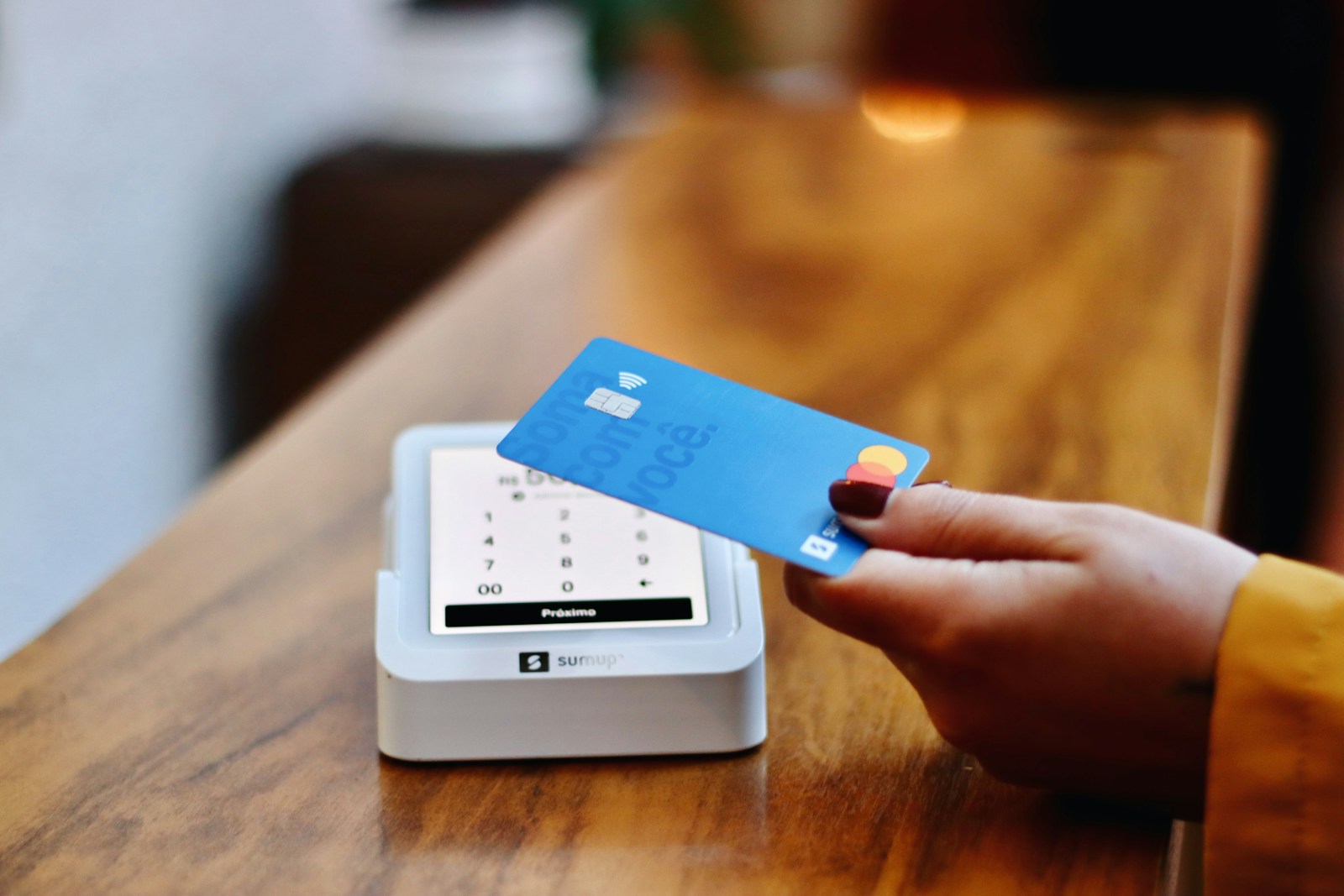
Credit reporting rules are undergoing major changes, reshaping how consumers, lenders, and regulators interact with financial data. February announcements from federal agencies and industry groups highlighted new compliance frameworks, dispute procedures, and transparency requirements. These changes are designed to strengthen consumer protections, improve accuracy, and ensure fairness in credit reporting. Regulators Sound Alarm on Inaccurate…
-
Top 5 Federal Employment Aid Programs
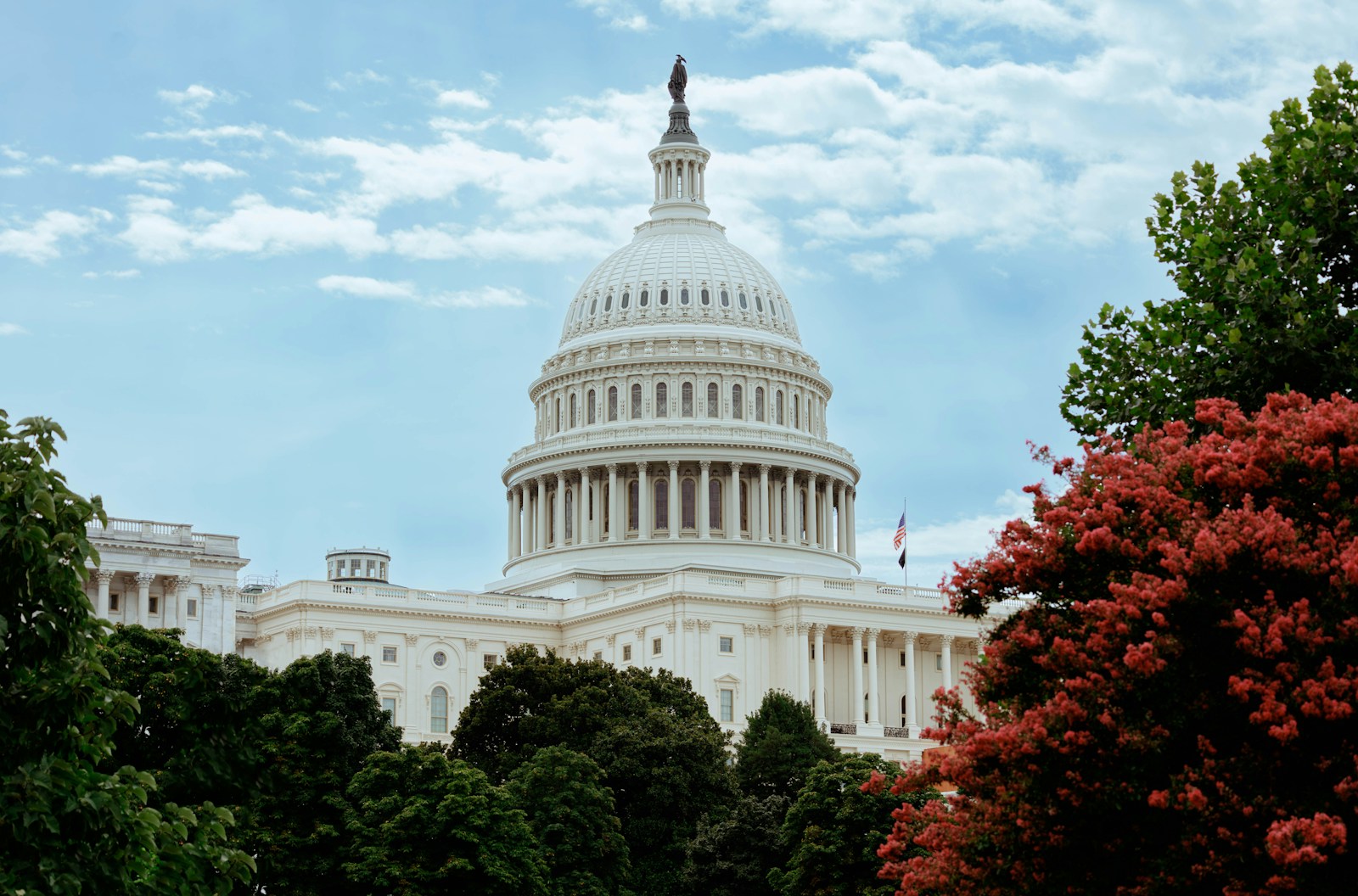
Federal employment aid programs remain vital in 2026, helping workers navigate job transitions, economic shifts, and industry changes. January updates from the Department of Labor and related agencies highlighted new funding priorities, compliance frameworks, and expanded services. Below are the top five federal employment aid programs making an impact this year. 1. Workforce Innovation and…