
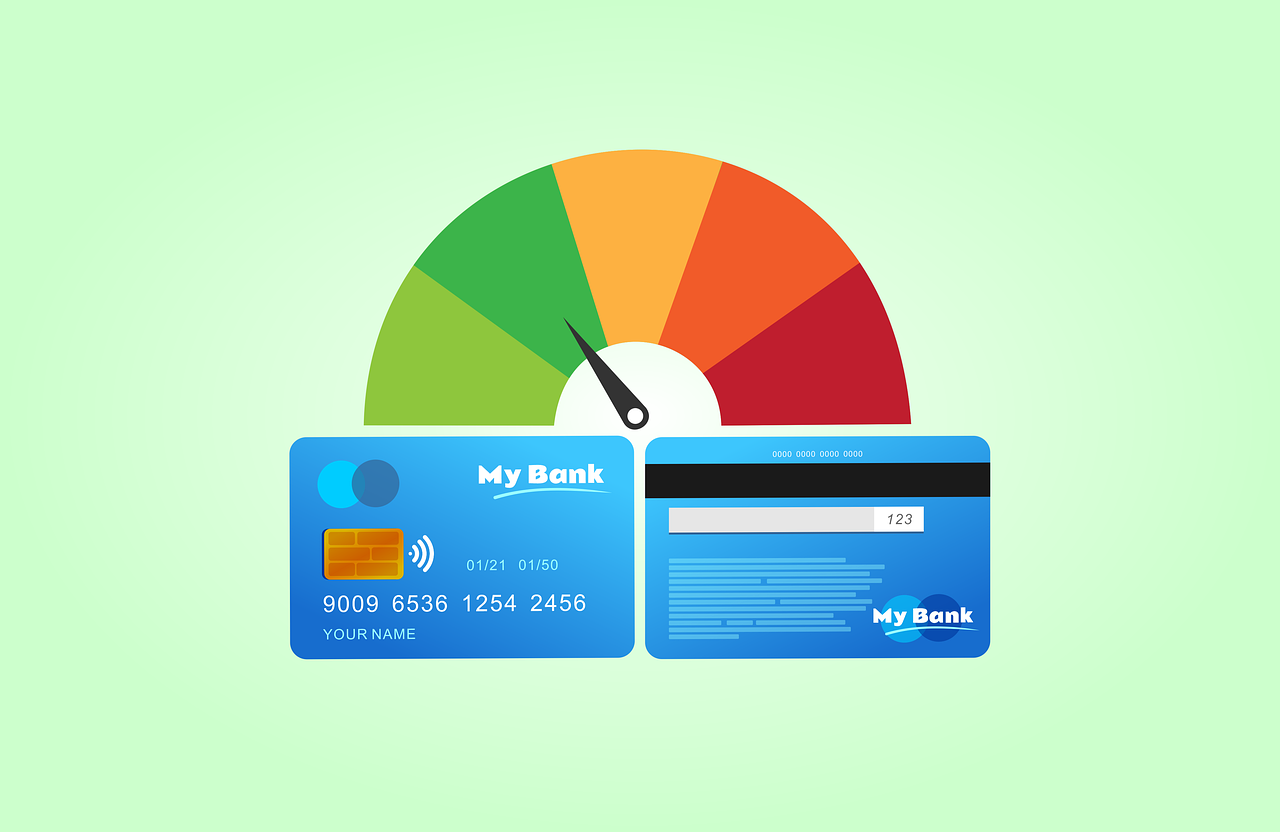
Improving your credit score may feel overwhelming, but progress is possible when you focus on the right steps. Credit scores influence nearly every part of financial life, from loan approvals to housing applications. A strong score opens doors, while a weak score closes them. Talking about credit in a straightforward way helps you see that boosting your score is not about complicated tricks. It is about consistent actions that build trust with lenders and create stability for your household.
Understanding How Credit Works
Credit scores are built from several factors. Payment history is the most important. Lenders want to see that bills are paid on time. Credit utilization is another major factor. This measures how much of your available credit is being used. Length of credit history, types of accounts, and new inquiries also play roles. When you understand these elements, you can focus on the areas that matter most. Boosting your score fast means targeting the factors that change quickly, such as utilization and payment consistency.
Pay Bills on Time
The fastest way to improve your score is to pay bills on time. Even one late payment can cause damage. Setting reminders or using automatic payments helps prevent mistakes. Families who commit to timely payments often see improvements within a few months. This step is simple, but it carries the most weight. Lenders view consistent payments as proof that you are reliable.
Reduce Credit Utilization
Credit utilization refers to the percentage of available credit being used. Keeping this number low shows that credit is managed responsibly. For example, if you have a limit of 10,000 and you owe 2,000, your utilization is 20 percent. Experts recommend keeping utilization below 30 percent. Paying down balances quickly is one of the fastest ways to raise your score. Even small payments make a difference when they reduce utilization.
Avoid Unnecessary Inquiries
Every time you apply for credit, an inquiry appears on your report. Too many inquiries suggest risk. Avoid applying for multiple accounts in a short period. Focus on managing the accounts already open. When lenders see fewer inquiries, they view you as more stable. This step does not raise your score overnight, but it prevents damage that slows progress.
Consider Debt Consolidation
Families with multiple debts often struggle to keep track of payments. Debt consolidation combines those debts into one account. This makes payments easier to manage and may reduce interest rates. The process is not suitable for everyone, but it can help households that feel overwhelmed. Understanding debt consolidation compliance rules is important before making this choice. These rules ensure that consolidation programs operate fairly and that families are protected from predatory practices. Learning about compliance builds confidence that the program is legitimate and secure.
Build Positive Credit History
Opening a secured credit card or becoming an authorized user on a trusted account helps build history. These options allow you to demonstrate responsible use without taking on large risks. When small purchases are made and paid off quickly, scores improve. Positive history takes time, but starting now creates momentum. Families who begin with secured cards often transition to regular accounts with stronger scores.
Monitor Your Credit Report
Checking your credit report regularly helps you spot errors. Mistakes such as incorrect balances or accounts that do not belong to you can lower your score unfairly. Disputing these errors is a straightforward process. When corrections are made, your score often rises. Monitoring also helps you track progress. Seeing improvements motivates you to continue building good habits.
Use Community Resources
Many communities offer workshops on financial literacy. These sessions explain how credit works and provide strategies for improvement. Nonprofits often partner with banks to deliver free counseling. Families who attend these workshops gain practical tools and encouragement. Learning in a group setting makes the process less intimidating. It shows that you are not alone in facing credit challenges.
Create a Household Plan
Boosting credit is easier when the household works together. Creating a plan that includes specific goals helps everyone stay focused. For example, one person may track payment dates while another monitors balances. Setting monthly targets for utilization makes progress measurable. Families who build a plan often find that improvements become part of their routine rather than a temporary effort.
Boosting credit fast is possible when you focus on payment history, utilization, and responsible management. Paying bills on time, reducing balances, and avoiding unnecessary inquiries create immediate improvements. Considering consolidation, building history, and monitoring reports add further strength. Families who commit to these strategies discover that credit scores no longer feel like barriers. Instead, they become tools that support financial growth and opportunity.
Frequently Asked Questions
What actually moves my credit score the fastest? Payment history is the single biggest factor, so paying every bill on time is the fastest lever you have. Credit utilization, how much of your available credit you’re using, is the second biggest factor and changes quickly once you pay down balances, so focus on those two areas first.
How do I know if my credit utilization is too high? Divide what you owe by your total credit limit, for example owing 2,000 on a 10,000 limit puts you at 20 percent utilization. Experts recommend staying below 30 percent, so if you’re above that, paying down even a small amount can move the number in your favor.
How soon will I see my score improve after paying bills on time? Families who commit to consistent, on time payments often see improvement within a few months, since lenders read that pattern as proof of reliability. Setting up automatic payments or reminders is the simplest way to make sure you don’t slip and lose that progress with a single late payment.
What’s a common mistake people make while trying to raise their score quickly? Applying for several new credit accounts in a short period is a common misstep, since every application creates an inquiry that signals risk to lenders. Focus on managing the accounts you already have open instead of opening new ones while you’re trying to rebuild.
What if I have too many debts to keep track of? Debt consolidation combines multiple debts into one account, which can simplify payments and sometimes lower your interest rate. Before choosing this route, look into the compliance rules that govern consolidation programs, since they exist to keep you protected from predatory practices.





Leave a Reply