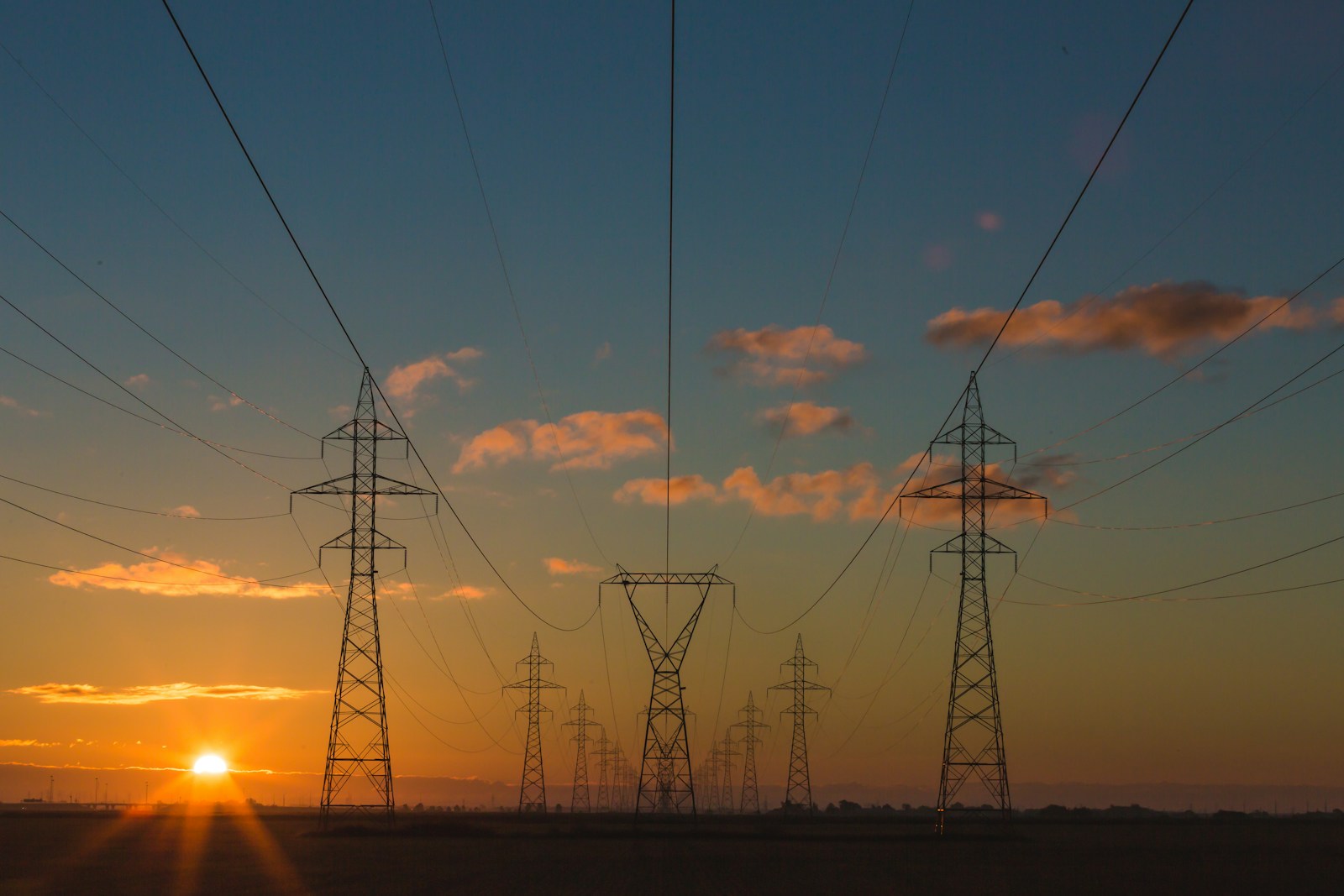
Marcus Reyes got a shutoff notice from his electric company in Ohio in January. He owed $410 and had ten days to pay before the power went off. He assumed he had two options: pay it or lose electricity in the middle of winter. There was a third option he did not know about: the Low Income Home Energy Assistance Program, known as LIHEAP, a federally funded program that pays energy bills directly for eligible households.
What LIHEAP actually covers
LIHEAP is run by the Administration for Children and Families and funded by Congress every year. It helps households pay heating and cooling bills, prevents shutoffs, reconnects service that has already been cut, and in some cases covers weatherization or minor equipment repairs. It is not a one-time news item tied to a single month. It runs every year, in every state, territory, and many tribal areas.
LIHEAP never charges a fee and never contacts you first offering a grant. If you get a call or message like that, it is a scam, and the program’s own site directs you to report it to the HHS Fraud Hotline.
Who qualifies, in plain numbers
The federal floor for eligibility is 150% of the federal poverty level, or 60% of your state’s median income, whichever is higher. Most states set their actual cutoff lower than that federal ceiling, so the number that matters is the one your state publishes, not the national figure.
You can also qualify automatically, without a separate income check, if your household already receives SNAP, SSI, or TANF. Many states extend that same automatic qualification to Medicaid recipients as well.
How to apply
Use the LIHEAP Clearinghouse’s eligibility tool to find your state or tribal program, or go to Energyhelp.us, which lists local application sites and is available in English, Spanish, and Chinese. You can also call the National Energy Assistance Referral hotline at 1-866-674-6327, weekdays 9 a.m. to 7 p.m. Eastern, for help finding your local office.
Bring a recent utility bill, proof of income for everyone in the household, and identification. If you already receive SNAP or TANF, bring your award letter. It usually clears the income step immediately.
What most families get wrong
Most families wait until they already have a shutoff notice, like Marcus did, when applying weeks earlier gives a caseworker more time to process the case before the deadline. Many also do not realize that already qualifying for SNAP or TANF clears them for LIHEAP automatically. Funding is also limited and distributed by state on a set schedule, so applying early in the heating or cooling season matters more than applying at the coldest or hottest point.
What to do if you are denied
Ask your local agency for the specific reason in writing. It is often a documentation gap, not an income problem, and can be fixed by resubmitting with the missing paper. If your state’s funding round is closed for the season, ask about a waitlist for late funding releases. Also ask the same office about the Low Income Household Water Assistance Program (LIHWAP), which uses similar eligibility rules for water and wastewater bills.
Sources: Administration for Children and Families, “Low Income Home Energy Assistance Program (LIHEAP)”; LIHEAP Clearinghouse, Eligibility Tool




Leave a Reply